

Overview
Acute coronary syndrome is the general name for emergency situations that arise as a result of sudden blockage or severe narrowing in the blood vessels carrying blood to the heart muscle. This condition includes heart attack (myocardial infarction) and unstable angina (chest pain). All result from the heart muscle not receiving enough oxygen.
The blood vessels that supply the heart muscle are called "coronary arteries." Over the years, cholesterol and fatty substances accumulate on the inner surface of these vessels; this buildup is called "plaque." When plaque suddenly ruptures or breaks apart, a blood clot forms on it and the vessel becomes blocked. When blood flow is interrupted, the heart muscle cannot get oxygen and begins to suffer damage. Every minute is critically important.
Acute coronary syndrome is a life-threatening emergency. Chest pain, shortness of breath, sweating, and nausea are the most commonly seen symptoms. However, in some people symptoms may be vague or no chest pain may be felt at all. Women, elderly people, and diabetics in particular may encounter more subtle symptoms.
Rapid diagnosis and treatment are required. The first hours after symptoms begin are called the "golden hours"; if intervention occurs within this period, damage to the heart muscle can be minimized. A blocked vessel opened in time largely preserves heart function.
Symptoms
Acute coronary syndrome symptoms begin suddenly and are generally severe. However, in some people symptoms may be mild or atypical; this is dangerous because it can delay diagnosis.
Acute coronary syndrome symptoms include the following:
- Chest pain or feeling of discomfort. This is the most common and most important symptom. It is described as a feeling of pressure, squeezing, burning, or heaviness in the center or left side of the chest. It feels as if a heavy object has been placed on the chest. The pain generally lasts longer than a few minutes and does not go away with rest. It can radiate to the left arm, jaw, neck, back, or stomach.
- Left arm pain or numbness. Pain, numbness, or tingling may be felt in the left arm along with chest pain or on its own. Sometimes it can be felt in both arms, but the left arm is more frequently involved.
- Shortness of breath. When the heart cannot pump enough blood, fluid accumulates in the lungs and breathing becomes difficult. Shortness of breath can occur alone or together with chest pain. Sometimes shortness of breath alone without chest pain can be the only symptom of acute coronary syndrome.
- Cold sweating. Sudden and severe cold sweating appears. The forehead, face, and body become covered in cold sweat. This symptom is the body's response to a stress situation.
- Nausea and vomiting. Stomach nausea and vomiting are commonly seen especially in heart attacks affecting the lower wall of the heart. Sometimes it can be confused with "indigestion" or "stomach problems."
- Dizziness and feeling faint. Due to dropping blood pressure or insufficient heart function, there may be dizziness, lightheadedness, or a feeling of fainting. Actual fainting can also occur.
- Extreme fatigue. Especially in women, an unusual, unexplainable fatigue may be felt before or during a heart attack. This fatigue is very different from normal and makes it difficult to carry out daily activities.
- Anxiety and fear of death. A sense of impending disaster, severe anxiety, and fear of death are emotional symptoms frequently seen during a heart attack.
- Different symptoms in women. Women may show atypical symptoms more frequently than men. Back pain, jaw pain, stomach nausea, fatigue, or shortness of breath may be prominent instead of chest pain. For this reason, diagnosis can sometimes be delayed in women.
- Silent heart attack in diabetics. In people with diabetes, pain may not be felt due to nerve damage. This is called a "silent heart attack" and is very dangerous because the person may not notice the heart attack.
Symptoms can begin during rest or during light activity. Having experienced similar but milder chest pain attacks in previous weeks is also a warning sign.
When to See a Doctor
Acute coronary syndrome is a condition requiring emergency intervention. Not wasting time when symptoms begin saves lives.
Call emergency services or go to the emergency room immediately in the following situations:
- If there is a feeling of pressure, squeezing, or heaviness in the chest
- If chest pain is radiating to the arm, jaw, neck, or back
- If chest pain lasts longer than 5 minutes and does not go away with rest
- If shortness of breath and chest pain are present together
- If cold sweating, nausea, and chest discomfort are seen together
- If chest pain has started in a person who has previously had a heart attack
- If you have fainted or are about to faint
Important: What you should do while waiting for the ambulance:
- Sit or lie down, do not move
- Loosen tight clothing
- If you have aspirin tablets and are not allergic to aspirin, chew 300 mg of aspirin (usually 1 tablet)
- If nitrate spray or tablets have been prescribed, spray or place under the tongue
- Try to stay calm; panic places extra burden on the heart
- Absolutely do not drive yourself to the hospital
Don't say "maybe it will pass." Taking chest pain lightly can be risky. About half of those showing heart attack symptoms waste time by saying "maybe it will pass." Every minute damages the heart muscle.
Causes
At the foundation of acute coronary syndrome lies plaque formation in the coronary arteries. However, what triggers the acute event is the sudden rupture or breakdown of the plaque.
The process leading to acute coronary syndrome works as follows:
- Atherosclerosis (hardening of the arteries). Over the years, cholesterol, fat, calcium, and other substances accumulate on the inner surface of the coronary arteries. This buildup forms "atherosclerotic plaque." Plaque narrows the vessel but generally does not completely block it. For this reason, a person may not feel any symptoms for years.
- Rupture of the plaque. Some plaques are called "unstable plaque" because their outer shell is thin and fragile. A rise in blood pressure, sudden stress, excessive exercise, or another trigger can cause this plaque to rupture. When the plaque ruptures, the fatty substance inside mixes with the blood.
- Blood clot formation. The ruptured plaque surface is perceived by the body as a wound and the clotting mechanism immediately kicks in. Platelets gather in the area and form a blood clot. This clot sticks to the vessel and partially or completely blocks blood flow.
- Oxygen deprivation of the heart muscle. The heart muscle in the area supplied by the blocked vessel cannot get enough oxygen. This condition is called "ischemia." If blood flow does not return quickly, heart muscle cells begin to die; this is called "infarction" (heart attack).
- Complete blockage vs. partial blockage. If the vessel is completely blocked, "ST-elevation myocardial infarction" (STEMI) develops; this is the most serious type of heart attack. If the vessel is partially blocked, "non-ST-elevation myocardial infarction" (NSTEMI) or "unstable angina" develops. Both are serious and require emergency treatment.
In rare cases, coronary artery spasm (contraction) can also lead to acute coronary syndrome. In this situation, even without plaque, the vessel temporarily narrows and blood does not reach the heart muscle.
Risk Factors
Risk factors for acute coronary syndrome are as follows:
- Advanced age. Risk increases significantly above age 45 in men and above age 55 in women. However, it can also occur at a young age.
- Male sex. It is seen at an earlier age and more frequently in men compared to women. Risk increases in women after menopause.
- Family predisposition. If there is a history of early-onset heart disease in first-degree relatives (under age 55 in men, under age 65 in women), risk rises.
- Smoking. This is the most important and modifiable risk factor. Smoking damages the inner lining of vessels, increases blood clotting, and accelerates plaque formation. Passive smoking also creates risk.
- High blood pressure. Blood pressure constantly exerts force on vessel walls, leading to damage and accelerating the development of atherosclerosis.
- High cholesterol. High LDL (bad cholesterol) and low HDL (good cholesterol) in particular increase plaque formation.
- Diabetes (diabetes mellitus). High blood sugar damages vessel walls. Diabetics have two to four times higher risk of heart attack.
- Obesity and sedentary lifestyle. Excess weight, especially fat in the abdominal area, increases heart disease risk. Not exercising regularly elevates risk.
- Unhealthy diet. A diet rich in saturated fat, trans fat, salt, and sugar is a risk factor.
- Chronic stress. Prolonged stress raises blood pressure and blood sugar, and leads to unhealthy habits (smoking, overeating).
- Sleep apnea. Repeated breathing stoppages during sleep damage the heart and blood vessels.
- Having previously had a heart attack. The risk of recurrence is high in people who have had a heart attack once.
- Drug use. Substances such as cocaine and amphetamine can cause coronary artery spasm and plaque rupture.
Diagnosis
Acute coronary syndrome must be diagnosed quickly because treatment must begin urgently. Diagnosis is made with clinical symptoms, electrocardiogram (ECG), and blood tests.
The methods used in the diagnosis of acute coronary syndrome are as follows:
- Electrocardiogram (ECG). This is the fastest and most important diagnostic tool. It records the electrical activity of the heart. Characteristic changes are seen on the ECG in acute coronary syndrome. ST segment elevation is a sign of STEMI (complete blockage heart attack) and requires emergency catheter procedure. Even if the ECG is normal, acute coronary syndrome cannot be ruled out; this is why blood tests are also done.
- Cardiac biomarkers (troponin test). When the heart muscle is damaged, a protein called troponin enters the bloodstream. Elevated troponin in a blood test is definitive proof of heart muscle damage. The troponin test becomes positive a few hours after symptoms begin; this is why the test is sometimes repeated at intervals of a few hours. High troponin confirms the diagnosis of heart attack.
- Other blood tests. Complete blood count, kidney and liver functions, electrolytes, and clotting tests are performed. These tests help assess the general condition and determine the treatment plan.
- Chest X-ray. Taken to evaluate fluid accumulation in the lungs, heart enlargement, or other chest problems.
- Echocardiography (heart ultrasound). Images how the heart moves, its valves, and its pumping power. Movement abnormality in the heart wall shows the area where a heart attack occurred.
- Coronary angiography (catheterization). This is the gold standard diagnostic method and is also used for treatment. A thin wire is advanced to the heart from the groin or wrist and imaging is done by giving contrast material to the coronary arteries. Blocked or narrowed vessels are clearly visible. If necessary, the vessel can be opened during the same session (angioplasty and stent).
- Computed tomography (CT) angiography. In some cases, the coronary vessels can be examined with non-invasive methods. However, in emergencies, classic angiography is preferred.
Treatment
Acute coronary syndrome treatment has two main goals: immediately restoring blood flow to the heart muscle and preventing new clot formation. Treatment begins in the emergency room and most patients are admitted to intensive care or coronary intensive care.
The methods used in acute coronary syndrome treatment are as follows:
- Emergency medication treatment. Begins immediately in the ambulance or emergency room. Aspirin prevents blood clotting; it is chewed immediately. Dual antiplatelet drugs such as clopidogrel, ticagrelor, or prasugrel are added. Heparin or similar blood thinners are given intravenously. Nitroglycerin reduces chest pain and relieves spasm in the coronary vessels. Beta blockers lighten the heart's workload and reduce oxygen needs. Painkiller (usually morphine) relieves severe pain.
- Primary percutaneous coronary intervention (angioplasty and stent). This is the gold standard treatment for STEMI (complete blockage). The goal is to perform it within 90 minutes of hospital arrival; the earlier it is done, the less damage to the heart muscle. A thin catheter is advanced from the groin or wrist, the blocked vessel is reached, and a balloon is passed through it. The vessel is opened by inflating the balloon, then a metal cage (stent) is placed to keep the vessel open. The procedure generally takes 30-60 minutes and the patient is awake.
- Thrombolytic therapy (clot-dissolving medication). If the center where angioplasty will be performed is far away and cannot be reached within 120 minutes, clot-dissolving medication can be given intravenously. These medications dissolve the clot and open the vessel. They are most effective within the first 3 hours after symptoms begin. However, they are applied carefully due to bleeding risk.
- Coronary bypass surgery (CABG). If more than one vessel is blocked or a critical vessel such as the left main coronary artery is affected, open-heart surgery may be needed. In this procedure, a bridge is made with a piece of vessel taken from the leg or chest to bypass the blocked vessel. Surgery is generally done after the acute period passes, when the patient is stabilized.
- Intensive care monitoring. For the first 24-48 hours, heart rhythm, blood pressure, and oxygen levels are continuously monitored. If a rhythm disorder (arrhythmia) develops, immediate intervention is made. Bed rest is recommended until the patient becomes stable.
- Cardiac rehabilitation. A supervised exercise program begins after discharge from the hospital. This program improves heart function, reduces the risk of new heart attack, and facilitates the patient's return to daily life.
- Long-term medication treatment. After discharge, lifelong aspirin or dual antiplatelet therapy continues. A statin (cholesterol-lowering drug) is definitely started; statins not only lower cholesterol but also stabilize plaque and reduce the risk of new heart attack. Medications such as beta blockers, ACE inhibitors, or ARBs protect the heart and prevent its remodeling.
Complications
Even when acute coronary syndrome is treated, some complications can develop. Early intervention reduces these risks.
Complications that may be seen in acute coronary syndrome are as follows:
- Rhythm disorders (arrhythmia). This is the most commonly seen complication. The heart may beat too fast (tachycardia), too slow (bradycardia), or irregularly (fibrillation). Ventricular fibrillation is the most dangerous arrhythmia and can lead to sudden death; this is why the patient is closely monitored in the first hours. Most arrhythmias can be corrected with medication or electroshock.
- Heart failure. When part of the heart muscle is damaged, the heart may become unable to pump enough blood. Acute heart failure leads to fluid accumulation in the lungs (pulmonary edema) and shortness of breath. Chronic heart failure develops in the later period and requires lifelong follow-up.
- Cardiogenic shock. Due to the heart being very weak, organs and tissues do not receive enough blood. Blood pressure drops very low, kidneys lose function, consciousness becomes impaired. This is a very serious condition and requires intensive care support. The risk of death is high.
- Mechanical complications. A tear in the heart wall (rupture), valve damage, or inflammation of the heart sac (pericarditis) are rare but serious complications. Heart wall rupture requires emergency surgery.
- Blood clot formation. Clots can form on the damaged heart wall. If these clots break off and go to the brain they cause stroke; if they go to the leg they cause leg vessel blockage. Blood-thinning medications reduce this risk.
- Recurrent heart attack. There is a risk of experiencing a new heart attack after the first heart attack. This likelihood increases especially if risk factors are not brought under control.
- Psychological effects. Experiencing a heart attack can lead to depression, anxiety, and post-traumatic stress disorder. Receiving psychological support positively affects the recovery process.
Life After Acute Coronary Syndrome
Experiencing acute coronary syndrome is a turning point in life. However, with the right treatment and lifestyle changes, most people can maintain an active and quality life. The recovery process must be addressed in both its physical and emotional aspects.
The First Weeks: Physical Recovery
The first weeks after discharge from the hospital are the healing period for the heart muscle. Damaged heart tissue heals by forming scar tissue; this process takes approximately 6-8 weeks. Don't push yourself during this period.
Mild fatigue is normal in the first days. However, if fatigue is gradually increasing or symptoms such as shortness of breath and swelling are developing, notify your doctor immediately. Avoid heavy lifting, pushing-pulling, and sudden movements. Climbing stairs, light housework, and short walks can generally be done starting from the end of the first week.
Sexual activity can generally be resumed after 2-4 weeks; however, discuss this with your doctor. When you can start driving depends on whether you had a stent or bypass; it is generally safe after 1-2 weeks.
Continuing Medications Regularly
Medication treatment after acute coronary syndrome saves lives. Medications such as aspirin or dual antiplatelet therapy, statins, beta blockers, and ACE inhibitors should be used regularly. These medications reduce the risk of new heart attack by half.
If a stent has been placed, absolutely do not stop antiplatelet medications. If stopped early, a clot can form inside the stent and the risk of sudden death increases. Before any surgery or tooth extraction, be sure to say that you are taking these medications; your doctor will make the decision to stop them, don't stop on your own.
If you are experiencing medication side effects, consult your doctor. Many medications have alternatives. If you cannot afford medications for economic reasons, share this problem with your doctor; more affordable options may be found.
Lifestyle Changes
A heart attack is an opportunity to review your lifestyle. The following changes both speed up your recovery and significantly reduce the risk of a new heart attack.
- Quit smoking. Continuing to smoke after having a heart attack doubles the risk of a new heart attack. Quit on the first day; there is no "just one more." Nicotine patches, gum, or medications can help. Avoid passive smoking as well.
- Eat heart-healthy. The Mediterranean diet is most suitable for heart patients. Consume plenty of vegetables, fruits, whole grains, fish, olive oil, and nuts. Reduce consumption of red meat, processed foods, trans fats, and salt. Limit saturated fats. Pay attention to portion control.
- Exercise regularly. Participate in a cardiac rehabilitation program. Don't stop exercising even after the program ends. Aim for at least 150 minutes of moderate-pace walking per week. Walk 5-10 minutes at the beginning, increase gradually. Listen to your body; if there is chest pain, excessive shortness of breath, or dizziness, pause.
- Maintain a healthy weight. Excess weight places extra burden on your heart. Losing weight improves blood pressure, cholesterol, and blood sugar. Losing 2-4 kilos per month is safe and sustainable.
- Manage stress. Chronic stress is harmful to heart health. Deep breathing exercises, meditation, yoga, or hobbies reduce stress. Social support is important; spend time with loved ones.
- Sleep adequately. 7-8 hours of quality sleep at night is essential for heart health. If you have sleep apnea, get it treated.
Bringing Risk Factors Under Control
Blood pressure, cholesterol, and blood sugar should be kept at target values. Blood pressure should be below 130/80 mmHg. LDL cholesterol should be lowered to below 70 mg/dL for heart patients; in high-risk patients, 55 mg/dL is targeted. Diabetics should strictly control blood sugar (HbA1c below 7%).
Monitor these values with regular blood tests. Medication doses can be adjusted to reach targets. Lifestyle changes can reduce medication needs but most patients need medication for life.
Emotional Recovery
Experiencing a heart attack is emotionally shattering. Feeling fear, anxiety, sadness, and anger is normal. Many patients live with the fear that "a new heart attack could come at any moment." Some become depressed and withdraw from social activities.
Coping with these emotions is as important as physical recovery. Share your emotions with loved ones. If necessary, seek support from a psychologist or psychiatrist. Meeting people who have had similar experiences in cardiac rehabilitation programs is very valuable; you see that you are not alone.
To reduce anxiety, know the facts: If you are using your medications regularly and changing your lifestyle, your risk of a new heart attack has significantly decreased. Learn the warning signs; this way if there is a real problem you can notice it, but you free yourself from thinking every chest sensation is a heart attack.
Regular Follow-up
See your doctor in the first month after a heart attack. In the later period, checkups every 3-6 months are sufficient. During your checkups, heart function, medication side effects, and risk factors are evaluated. Heart strength is measured with a stress test or echocardiography.
Don't wait if symptoms change. If chest pain is becoming more frequent, fatigue is increasing, or swelling is developing in the legs, notify your doctor immediately.
Preparing for Your Appointment
What you can do:
- Note exactly when symptoms started and how long they lasted
- Describe the nature of the pain (pressure, squeezing, burning, stabbing)
- Mention the areas to which the pain radiated
- List all medications, vitamins, and supplements you are taking
- Mention if there is a history of heart disease in the family
- Honestly state your smoking and alcohol use
- Write your questions down in advance
Questions you can ask your doctor are as follows:
- How serious was my heart attack?
- How much damage occurred in my heart muscle?
- How long will the stent that was placed remain?
- Which medications should I use and for how long?
- When can I return to work?
- Which activities can I do, which should I avoid?
- When can I return to sexual activity?
- When should I start a cardiac rehabilitation program?
- How can I reduce my risk of a new heart attack?
Questions your doctor may ask you are as follows:
- Exactly how did the chest pain feel?
- How long did the pain last?
- Have you experienced similar pains before?
- Is there heart disease in the family?
- Do you smoke, for how long?
- Do you have blood pressure, cholesterol, or diabetes problems?
- Do you exercise regularly?
- What are your eating habits?
- Diagnosis and Treatment of Acute Coronary Syndromes — https://pubmed.ncbi.nlm.nih.gov/35166796/
- Acute coronary syndrome — https://pubmed.ncbi.nlm.nih.gov/29083796/
- Acute coronary syndromes — https://pubmed.ncbi.nlm.nih.gov/35367005/
- A Comprehensive Review of Acute Coronary Syndrome — https://www.researchgate.net/publication/374144293_A_Comprehensive_Review_of_Acute_Coronary_Syndrome
- Acute coronary syndromes: mechanisms, challenges, and evolving pathophysiology — https://pubmed.ncbi.nlm.nih.gov/40358623/
Specialists
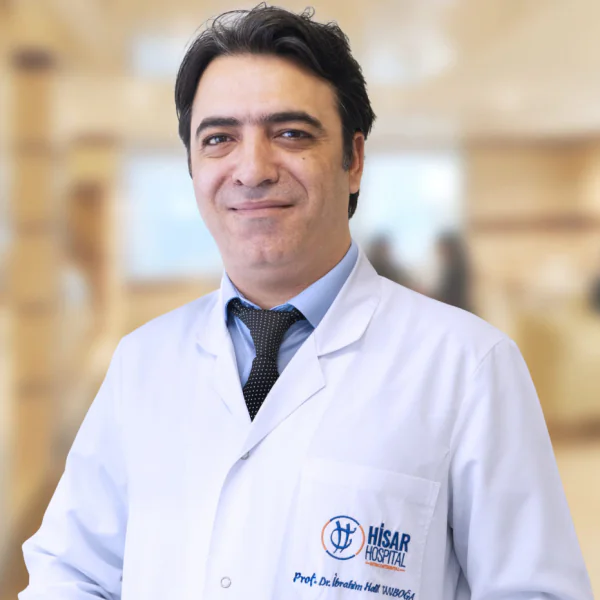
Ibrahim Halil Tanboga, MD
Ibrahim Halil Tanboga, MD, completed his cardiology residency at Kartal Koşuyolu High Specialization Training and Research Hospital. After obtaining the title of…
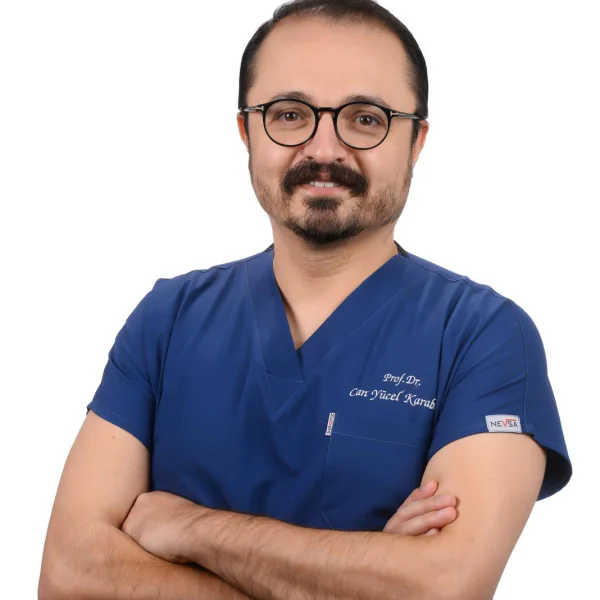
Can Yucel Karabay, MD
Prof. Dr. Can Yucel Karabay is a cardiologist specialized in interventional cardiology, with extensive experience in the diagnosis and treatment of cardiovascular…
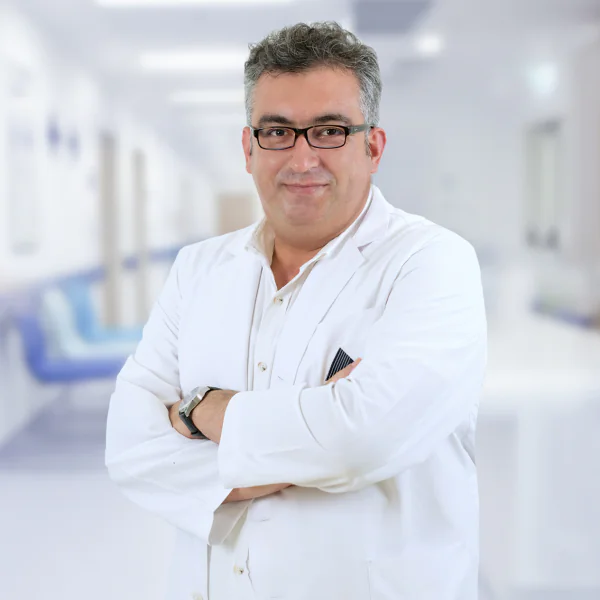
Olcay Ozveren, MD
Olcay Ozveren, MD, is a cardiologist with expertise in interventional cardiology, focusing on advanced diagnostic and therapeutic procedures for cardiovascular…