

Overview
Pulmonary valve atresia is a serious congenital heart condition in which the pulmonary valve (located between the heart's right lower chamber and the pulmonary artery, the large vessel that carries blood to the lungs) never develops or is completely blocked. In a healthy heart, the pulmonary valve opens with each beat to allow blood to travel to the lungs where it picks up oxygen. In pulmonary valve atresia, this valve is absent or entirely sealed; blood cannot reach the pulmonary artery and cannot be oxygenated in the lungs.
This is a life-threatening condition from the moment of birth. Infants born with pulmonary valve atresia require immediate specialized medical care and surgical treatment. Without intervention, the condition is not compatible with life.
Pulmonary valve atresia occurs in two anatomically distinct forms. In the first, called pulmonary atresia with intact ventricular septum, the wall between the two lower chambers of the heart has no hole. In the second, pulmonary atresia occurs alongside a ventricular septal defect, a hole between the lower chambers. This second form is recognized as the most severe expression of tetralogy of Fallot. The treatment approach differs significantly between the two forms.
Advances in congenital heart surgery and catheter-based techniques now allow many children born with pulmonary valve atresia to reach adulthood. However, this condition requires lifelong medical follow-up and often multiple surgical or catheter-based interventions throughout life.
Symptoms
The symptoms of pulmonary valve atresia appear almost immediately after birth, as the baby's lungs are not receiving adequate blood flow. The clinical picture is urgent from the outset.
- Bluish discoloration of the skin. This is the most visible and earliest sign. When insufficiently oxygenated blood enters the body's circulation, the lips, fingernail beds, tongue, and skin take on a blue or purple hue. This is called cyanosis and may be apparent within minutes of birth.
- Rapid and labored breathing. The baby may breathe much faster than normal in an effort to compensate for low oxygen levels. Visible indrawing of the muscles between the ribs during each breath may be seen.
- Difficulty feeding. Babies who cannot maintain adequate oxygen levels tire very quickly during feeding, may need to pause and rest repeatedly, and may fail to gain weight adequately.
- Pallor or a gray skin tone. In addition to or instead of a blue tinge, some babies appear pale, gray, or mottled.
- Extreme tiredness and reduced movement. The baby may be notably less active than expected and tire very easily.
- Irregular heartbeat. Some babies may develop an abnormal heart rhythm.
In pulmonary atresia with intact ventricular septum, symptoms are typically severe and apparent within minutes to hours of birth. In the form accompanied by a ventricular septal defect, the presentation may be somewhat less abrupt, but urgent intervention is still required.
What to Do
If a newborn baby shows any bluish discoloration, rapid or labored breathing, extreme pallor, or difficulty feeding, emergency services should be called immediately. These symptoms can indicate pulmonary valve atresia or other serious congenital heart conditions and require immediate medical evaluation.
Causes
Pulmonary valve atresia arises from an abnormality in the development of the heart during the first weeks of pregnancy, when the heart's structure is forming. At the point where the pulmonary valve should develop, the leaflets either do not form at all or fuse completely, creating a solid barrier. In most cases, no specific cause can be identified.
- Genetic factors. Some cases are associated with chromosomal abnormalities or single gene changes. DiGeorge syndrome is one of the genetic conditions that can be associated with this anomaly. A family history of congenital heart disease may modestly increase risk.
- Environmental factors during pregnancy. Exposure to certain medications, infections, or toxic substances during the first trimester, when the heart is forming, has been associated with a higher risk of congenital heart abnormalities. However, in the great majority of cases of pulmonary valve atresia, no identifiable environmental cause is found.
- Unknown causes. In most cases, the precise reason why the heart developed abnormally cannot be determined. This can be very difficult for families to accept, but it is important to understand that nothing the parents did or did not do caused this condition to develop.
Diagnosis
Pulmonary valve atresia is most often identified either before birth or in the first hours after delivery.
- Prenatal ultrasound. During routine pregnancy ultrasound, the structure of the fetal heart can be examined. The absence or abnormal appearance of the pulmonary valve may be detected, particularly on the second-trimester anatomy scan. When this is suspected, fetal echocardiography is arranged for a more detailed assessment.
- Fetal echocardiography. This specialized high-resolution ultrasound of the fetal heart can reliably identify pulmonary valve atresia. It also shows the size of the right lower chamber, the development of the pulmonary artery, and any other associated anomalies. A prenatal diagnosis allows the medical team and the family to plan for immediate postnatal care.
- Postnatal echocardiogram. The primary imaging tool for evaluating the heart after delivery. It confirms the complete obstruction of the valve, shows the size of the right lower chamber, identifies any associated holes between the chambers, and assesses the pulmonary artery anatomy.
- Pulse oximetry. A simple, painless test that measures the oxygen level in the blood using a probe placed on the baby's finger or foot. A low reading after birth raises concern for a congenital heart condition. Many countries now perform pulse oximetry screening routinely in all newborns to detect critical congenital heart disease early.
- Electrocardiogram (ECG). Records the heart's electrical activity. Changes related to the development and size of the right lower chamber may be seen.
- Chest X-ray. Can show the size of the heart and reduced blood flow to the lungs.
- Cardiac catheterization. A thin catheter passed through a blood vessel in the groin into the heart allows direct measurement of pressures, blood flow, and vascular anatomy in detail. It is used to confirm and fully characterize the diagnosis, to plan surgery, and in some cases to perform an initial treatment in the same session.
- Computed tomography and MRI. Used to image the pulmonary artery and major vessels in precise anatomical detail, particularly in planning complex surgical reconstruction.
- Genetic evaluation. Genetic testing and counseling may be recommended when an associated genetic syndrome is suspected or for the purpose of family planning.
Treatment
Treatment of pulmonary valve atresia is urgent and complex. The goal is to establish adequate blood flow to the lungs and support the function of the right lower chamber as much as the anatomy allows. The specific treatment plan is individualized based on each child's anatomy and the type of pulmonary atresia present.
Immediate Treatment
- Prostaglandin E1 infusion. This is one of the most critical immediate interventions after birth. Before birth, a channel called the ductus arteriosus connects the pulmonary artery to the body's main artery, allowing blood to bypass the lungs in the fetus. Prostaglandin E1 keeps this channel open, providing an alternative route for blood to reach the lungs. This medication sustains the baby's life during the time needed to arrange definitive surgical or catheter-based intervention.
- Oxygen support and intensive care monitoring. The baby is transferred to a neonatal intensive care unit for continuous monitoring of breathing and circulation.
Catheter-Based Interventions
- Balloon pulmonary valvuloplasty. In certain types of pulmonary valve atresia, particularly when valve tissue is present but completely fused, a catheter-based approach may be attempted to open the obstruction. A fine wire or laser is used through a catheter to perforate the fused valve, after which a balloon is inflated to widen the opening. This approach is only possible when the right lower chamber is of adequate size and when the valve membrane is present. It is not applicable in all cases.
- Stent placement. A small metal mesh tube called a stent may be placed in the ductus arteriosus or pulmonary artery to maintain blood flow while awaiting surgery.
Surgical Treatment
Most cases of pulmonary valve atresia require more than one surgical procedure. The number and type of operations depend on the size of the right lower chamber, the development of the pulmonary artery, and associated anomalies.
- Systemic-to-pulmonary shunt. A small tube is placed to connect one of the body's large arteries to the pulmonary artery, creating an alternative blood supply route to the lungs. The Blalock-Taussig-Thomas shunt is the most commonly used variant of this approach. It is typically the first operation and buys time for the pulmonary artery to grow before a more complete repair can be undertaken.
- Right ventricular outflow tract reconstruction. A conduit (a tube made from biological or synthetic material) is placed to connect the right lower chamber to the pulmonary artery. As the child grows, the conduit may eventually need to be replaced because it does not grow with the child.
- Two-ventricle repair. When the right lower chamber has grown to an adequate size and the pulmonary artery is sufficiently developed, a complete repair using both lower chambers as pumps can be achieved. This is the most favorable long-term outcome when it is anatomically possible.
- Single-ventricle repair. When the right lower chamber remains too small or the pulmonary artery is insufficiently developed, a complete two-ventricle repair is not possible. In these cases, a series of staged operations called the Fontan procedure is performed, resulting in a circulation in which only the left lower chamber acts as a pump. The Fontan approach involves multiple operations carried out over several years.
Long-Term Life
Pulmonary valve atresia is a lifelong condition requiring specialized medical care. Many individuals who received treatment in childhood are now reaching adulthood. Adult life with this condition brings its own specific challenges and requires ongoing expert management.
- Repeat interventions. As the child grows, previously placed conduits or shunts may need to be replaced. In adulthood, transcatheter pulmonary valve implantation can often replace a failing conduit without the need for another open heart operation, significantly reducing the surgical burden over a lifetime.
- Rhythm disturbances. Atrial and ventricular arrhythmias are common in adults with repaired pulmonary atresia and require close monitoring. Catheter ablation or an implantable defibrillator device may be needed in selected patients.
- Exercise capacity. People living with Fontan circulation often have reduced exercise capacity compared to peers. Regular, appropriately supervised exercise programs can help maintain and support this capacity.
- Psychological wellbeing. Growing up with multiple surgeries, ongoing medical appointments, and activity limitations can place a significant psychological burden on both patients and their families. Professional psychological support is an important part of comprehensive care.
- Adult congenital heart disease centers. All individuals with repaired pulmonary valve atresia should transition their care to a center with specific expertise in adult congenital heart disease when they reach adulthood. These centers offer the most current approaches to monitoring and intervention and are best equipped to manage the complex long-term needs of this patient group.
Information for Families
A diagnosis of pulmonary valve atresia in a newborn or unborn baby is an overwhelming experience. The following information may help families navigate this difficult time.
- This condition is not caused by anything the parents did or did not do. There is no reason for guilt or self-blame.
- Care at a specialized congenital heart disease center with an experienced multidisciplinary team is one of the most important factors in determining outcomes. Seek out the most experienced center available.
- The treatment process is long and involves multiple stages. Asking the medical team detailed questions about what to expect at each step can help both parents and child feel more prepared.
- Connecting with other families who have been through similar experiences, whether through support groups or patient organizations, can provide comfort and practical insight.
- Genetic counseling can provide useful information about the risk to future pregnancies.
- Pulmonary valve atresia with intact ventricular septum and severe aortic stenosis – https://pubmed.ncbi.nlm.nih.gov/15565266/
- Pulmonary Atresia With Ventricular Septal Defect – https://pubmed.ncbi.nlm.nih.gov/32965948/
- Surgical algorithm and results for repair of pulmonary atresia with ventricular septal defect and major aortopulmonary collateral arteries – https://pubmed.ncbi.nlm.nih.gov/29789151/
- The management of pulmonary atresia, ventricular septal defect, and multiple aortopulmonary collateral arteries – https://pubmed.ncbi.nlm.nih.gov/11024388/
- Pulmonary blood supply in patients with pulmonary atresia and ventricular septal defect – https://pubmed.ncbi.nlm.nih.gov/4067114/
- Management of pulmonary atresia with ventricular septal defect and hypoplastic pulmonary arteries – https://pubmed.ncbi.nlm.nih.gov/6158634/
Specialists
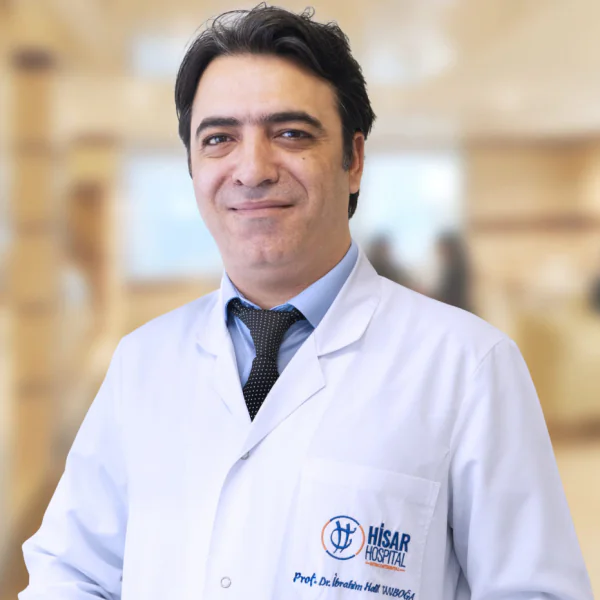
Ibrahim Halil Tanboga, MD
Ibrahim Halil Tanboga, MD, completed his cardiology residency at Kartal Koşuyolu High Specialization Training and Research Hospital. After obtaining the title of…

Can Yucel Karabay, MD
Prof. Dr. Can Yucel Karabay is a cardiologist specialized in interventional cardiology, with extensive experience in the diagnosis and treatment of cardiovascular…

Olcay Ozveren, MD
Olcay Ozveren, MD, is a cardiologist with expertise in interventional cardiology, focusing on advanced diagnostic and therapeutic procedures for cardiovascular…