

Overview
Anemia is a condition where the amount of healthy red blood cells or hemoglobin in the blood, which carries oxygen to tissues, falls below normal. This condition prevents the body from getting the oxygen it needs. As a result, you may feel constantly tired and weak. Anemia is often a symptom of another underlying issue in the body rather than a disease on its own.
Your red blood cells contain a special protein called hemoglobin. Hemoglobin carries oxygen from the lungs to all organs. Iron deficiency, vitamin insufficiency, or chronic diseases can disrupt the production of this protein. When cells do not get enough oxygen, organs cannot function efficiently. This causes the heart to work harder to compensate for the deficiency.
Iron deficiency is the most common type of anemia. Some types of anemia are temporary, while others may require lifelong management. With proper nutrition and appropriate treatment, most types of anemia improve quickly. The treatment plan aims to eliminate the underlying cause of the anemia.
Symptoms of anemia
Symptoms of anemia vary depending on the severity of the deficiency and how quickly it develops. As the body craves oxygen, symptoms become more pronounced. While there may be no complaints in mild cases, advanced cases make daily life difficult.
- Constant fatigue and loss of energy: This is the most common symptom. A state of exhaustion that does not improve with rest is experienced.
- Pale skin: A decrease in red blood cells causes the skin, gums, and nail beds to look paler.
- Shortness of breath and dizziness: You may find yourself out of breath even with the smallest movements. Lightheadedness occurs when oxygen to the brain decreases.
- Chest pain and palpitations: The heart starts beating faster and irregularly to compensate for the oxygen debt.
- Cold hands and feet: Heat loss in the extremities becomes noticeable as circulation weakens.
- Headaches: Insufficient oxygen in the brain vessels can trigger chronic headaches.
- Brittle nails and hair loss: Especially in iron deficiency anemia, the nail structure deteriorates and hair becomes lifeless.
When to see a doctor
If you feel unexplained fatigue and notice paleness in your skin, get a blood count. Do not start iron pills on your own; excess iron can harm the body. It is safest not to start treatment before a doctor determines the type of anemia.
When to seek emergency help
If you experience sudden severe shortness of breath, chest pain, or fainting, call 112 (or your local emergency number) immediately. These symptoms may indicate that oxygen levels have dropped to critical levels or that the heart is under extreme stress.
Causes of anemia
Causes of anemia are grouped into three main categories: insufficient production, destruction of cells, or blood loss. Many factors, from your eating habits to genetic heritage, affect your blood levels.
- Iron deficiency: This is the most common cause. If the body cannot find enough iron to produce hemoglobin, anemia develops.
- Vitamin deficiency: Deficiency of B12 and folate (B9) stops the production of healthy blood cells.
- Chronic diseases: Diseases such as cancer, kidney failure, or rheumatic diseases can suppress blood cell production.
- Blood loss: Heavy menstrual bleeding, stomach ulcers, or digestive system injuries reduce the amount of blood in the body.
- Genetic factors: Hereditary diseases such as sickle cell anemia or thalassemia (Mediterranean anemia) disrupt the cell structure.
- Bone marrow issues: Diseases in the bone marrow, where blood cells are produced, can completely stop production.
Treatment of anemia
Anemia treatment is personalized according to the type of anemia. The main focus of treatment is to bring blood cells back to normal levels and resolve the underlying cause.
- Nutritional supplements: Deficiencies are corrected with iron, vitamin B12, or folic acid supplements.
- Dietary regulation: A diet rich in red meat, dark leafy green vegetables, and legumes is recommended.
- Treatment of the underlying disease: If the cause is an ulcer or kidney disease, these issues are controlled first.
- Blood transfusion: In severe cases, blood is given intravenously to rapidly increase oxygen-carrying capacity.
- Medications: Special drugs that stimulate the bone marrow to produce blood cells can be used.
Risks and prevention of anemia
Untreated anemia can lead to risks such as heart failure and a weakened immune system. In pregnancy, it can cause low birth weight. To prevent anemia, it is important to eat a balanced diet and consume vitamin C to increase iron absorption. Avoiding tea and coffee immediately after meals helps protect iron absorption.
- Anemia: diagnosis and management https://pubmed.ncbi.nlm.nih.gov/16286225/
- Anemia in Clinical Practice - Definition and Classification https://pubmed.ncbi.nlm.nih.gov/26404438/
- Diagnosing anemia: Challenges selecting methods, addressing confounders https://pubmed.ncbi.nlm.nih.gov/37061792/
- Iron Deficiency Anemia: Evaluation and Management https://pubmed.ncbi.nlm.nih.gov/41252836/
- Iron Deficiency Anaemia Revisited https://pubmed.ncbi.nlm.nih.gov/31665543/
Specialists

Can Yucel Karabay, MD
Prof. Dr. Can Yucel Karabay is a cardiologist specialized in interventional cardiology, with extensive experience in the diagnosis and treatment of cardiovascular…
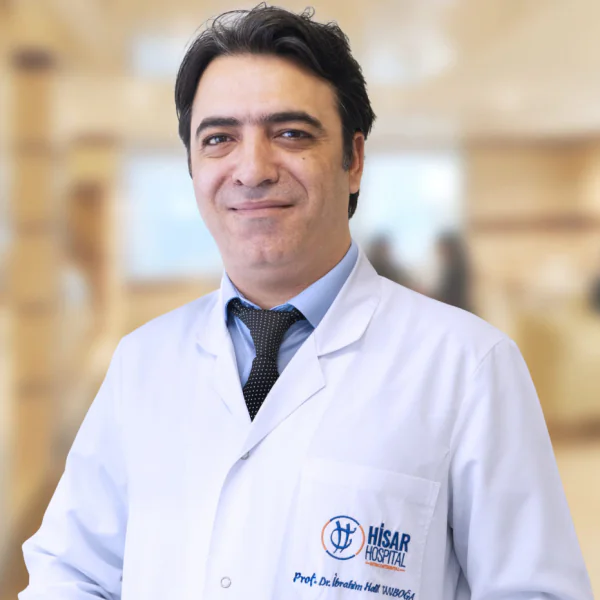
Ibrahim Halil Tanboga, MD
Ibrahim Halil Tanboga, MD, completed his cardiology residency at Kartal Koşuyolu High Specialization Training and Research Hospital. After obtaining the title of…

Olcay Ozveren, MD
Olcay Ozveren, MD, is a cardiologist with expertise in interventional cardiology, focusing on advanced diagnostic and therapeutic procedures for cardiovascular…