

Overview
Cardiogenic shock is a life-threatening condition in which the heart is suddenly unable to pump enough blood to meet the body's needs. When the heart's pumping function collapses, organs and tissues are deprived of oxygen. Without prompt treatment, this can quickly become fatal.
Cardiogenic shock most often develops as a complication of a heart attack. When a blocked artery cuts off blood supply to a large enough portion of the heart muscle, the heart may lose its ability to pump effectively. Severe heart failure, heart valve problems, and dangerous rhythm disturbances can also lead to cardiogenic shock.
This is a medical emergency. The sooner treatment begins, the better the chances of a good outcome. Many people do survive cardiogenic shock, particularly when care is received quickly in a hospital equipped to handle it.
Symptoms
Cardiogenic shock tends to develop suddenly and dramatically. Some symptoms appear almost immediately after a heart attack; others can build over a period of hours.
- A sudden, significant drop in blood pressure. Low blood pressure is one of the defining features of cardiogenic shock. It may not respond to initial treatment, and the person may feel extremely lightheaded or faint.
- A rapid but weak pulse. The heart may beat faster in an attempt to compensate, but the pulse feels faint and thready. It can become difficult to detect at the wrist.
- Severe shortness of breath. When the left side of the heart is failing, fluid can back up into the lungs and make breathing increasingly difficult. Lying flat may feel impossible.
- Cold, pale and clammy skin. As blood flow drops, the body redirects circulation away from the skin to protect vital organs. The skin becomes pale, cool and moist. The lips and fingertips may turn bluish.
- Confusion or unusual drowsiness. When the brain is not receiving enough blood, the person may become disoriented or difficult to rouse. This can worsen quickly.
- Very little urine output. The kidneys are sensitive to changes in blood flow. A significant drop in urine production can be an early sign that organs are under strain.
- Chest pain or pressure. If a heart attack is the underlying cause, a heavy, squeezing, or pressure-like discomfort in the chest is often present. This may radiate to the left arm, jaw, or back.
- Sudden, overwhelming fatigue. The person may feel too exhausted to stand or speak.
When to Seek Emergency Care
Cardiogenic shock is a medical emergency. Call emergency services immediately and do not attempt to drive to the hospital. Emergency responders can begin treatment on the way, and the time saved can make a critical difference.
Call for emergency help right away if you or someone nearby experiences any of the following.
- Sudden, severe chest pain, especially if it spreads to the arm, jaw, or back
- Rapidly worsening shortness of breath or inability to breathe while lying flat
- Sudden dizziness or fainting
- Pale, cold, sweaty skin alongside any of the above
- Confusion, slurred speech, or decreased responsiveness
- A very rapid but barely detectable pulse
- In someone who recently had a heart attack, new breathlessness, declining alertness, or very low blood pressure
Causes
Cardiogenic shock develops when the heart's pumping ability falls severely and suddenly. Several different conditions can bring this about.
- Heart attack. This is the most common cause. When an artery supplying the heart becomes blocked, part of the heart muscle is damaged. If the affected area is large enough, the pumping function can fail entirely.
- Severe or rapidly worsening heart failure. Pre-existing heart failure can suddenly deteriorate, sometimes triggered by an infection, missed medications, or a new cardiac event. When the heart's reserve runs out, shock can follow.
- Heart valve problems. Sudden rupture of a heart valve or a severely diseased valve can reduce forward blood flow to the point of shock.
- Serious heart rhythm disturbances. A heart that is beating too fast, too slowly, or chaotically may not move blood forward effectively, causing output to fall to dangerously low levels.
- Heart muscle inflammation. In severe, rapidly progressing cases, inflammation of the heart muscle can devastate pumping function within a short period of time.
- Fluid around the heart. When fluid accumulates in the sac surrounding the heart, it compresses the cardiac chambers and prevents them from filling properly.
- Certain heart muscle diseases. Conditions such as dilated cardiomyopathy, particularly in their most severe forms, can result in cardiogenic shock.
Risk Factors
Cardiogenic shock cannot always be predicted, but certain factors make it more likely.
- A previous heart attack. Scar tissue from a prior heart attack reduces the heart's functional reserve. A new event layered on top of existing damage raises the risk of the heart failing.
- Existing heart failure. When heart failure is already present, the heart has less capacity to compensate for any additional stress.
- Older age. The risk of cardiogenic shock and serious complications rises with age, particularly over 65.
- Diabetes. Diabetes is associated with more widespread coronary artery disease, which can mean larger areas of heart muscle are affected during a heart attack.
- High blood pressure. Long-standing high blood pressure strains both the heart muscle and the arteries, increasing susceptibility.
- Blockages in multiple coronary arteries. When several arteries are diseased, the heart has a smaller safety margin if any one of them becomes completely blocked.
- Delayed treatment. The longer a heart attack goes without treatment, the more heart muscle is lost and the higher the risk of shock developing.
Diagnosis
Diagnosing cardiogenic shock requires speed. Tests are typically run simultaneously rather than one at a time, because every minute matters.
- Physical examination. Low blood pressure, a weak rapid pulse, cold and clammy skin, confusion, and very low urine output together point strongly toward cardiogenic shock. The doctor will also listen to the lungs for signs of fluid and check for neck vein distension.
- Blood tests. Elevated cardiac markers indicate that heart muscle has been damaged. Lactate levels reflect how well tissues are being oxygenated, and a rising level signals serious circulatory stress. Kidney and liver tests show whether other organs have been affected.
- Electrocardiogram (ECG). An ECG can identify a heart attack, reveal dangerous rhythm problems, and detect conduction issues within minutes. It is one of the first tests performed when cardiogenic shock is suspected.
- Echocardiogram (heart ultrasound). This bedside imaging test quickly shows how well the heart is pumping, whether there are valve problems, and whether fluid has accumulated around the heart. It is one of the most useful tools for identifying the cause of shock rapidly.
- Coronary angiography. This imaging procedure shows the coronary arteries directly. When cardiogenic shock is linked to a heart attack, angiography both confirms the diagnosis and allows the blocked artery to be opened immediately.
- Hemodynamic monitoring. In complex cases, specialized catheters can measure the heart's output and chamber pressures in real time, helping doctors fine-tune treatment.
Treatment
Treatment of cardiogenic shock takes place in an intensive care unit and involves multiple simultaneous approaches. The goals are to sustain blood flow to vital organs, support or bypass the failing heart, and treat the underlying cause.
- Oxygen support. Supplemental oxygen is provided immediately. If breathing becomes insufficient, a breathing machine may be needed while other treatments are underway.
- Medications. Drugs that strengthen the heart's contractions are given directly into a vein. Medications that raise blood pressure may be added to protect vital organs. Diuretics may be used to relieve fluid buildup in the lungs.
- Opening the blocked artery. When a heart attack is the cause, reopening the blocked coronary artery as quickly as possible is the most important single step. This is typically done with a balloon and stent procedure. In selected situations, emergency bypass surgery may be considered. Prompt treatment here can fundamentally change the outcome.
- Mechanical circulatory support. When the heart does not respond adequately to medications, temporary mechanical devices can take over part of its function. A balloon pump reduces the heart's workload. In the most critical cases, ECMO acts as both an artificial heart and lung, fully supporting circulation while the heart has time to recover.
- Treating valve problems. If a valve rupture or severe valve disease is causing shock, emergency surgical repair or a catheter-based procedure may be necessary.
- Managing heart rhythm problems. Dangerous rhythm disturbances are treated with medications or electrical cardioversion. A temporary pacemaker may be placed when needed.
- Addressing the underlying cause. Fluid around the heart is urgently drained. Heart muscle inflammation is treated with appropriate therapy. Drug-related causes require stopping the offending medication.
Complications
Cardiogenic shock can affect many organ systems. Some complications develop during the hospital stay; others may take time to emerge after discharge.
- Kidney injury. The kidneys are particularly vulnerable to reduced blood flow. Acute kidney injury is common and may require temporary dialysis. With prompt restoration of circulation, kidney function often recovers, though this is not always the case.
- Lung problems. Fluid in the lungs increases the risk of pneumonia, particularly in patients who need a breathing machine.
- Heart rhythm disturbances. Damage to the heart muscle can affect its electrical system. Irregular heartbeats and conduction problems may develop or persist after the acute episode has passed.
- Long-term heart weakness. Heart function can improve substantially over weeks to months, especially when the blocked artery was opened early. Some people experience a permanent reduction in pumping ability that requires ongoing management.
- Brain and cognitive effects. Reduced blood flow to the brain can cause memory difficulties and problems with concentration. In some people, stroke may occur.
- Clotting abnormalities. Severe shock can disrupt the body's normal clotting balance, creating a situation in which both abnormal clotting and bleeding can occur at the same time.
Lifestyle
Leaving the hospital is the beginning of recovery, not the end of it. The months that follow are a critical window for protecting heart function and reducing the risk of future events.
Physical Activity and Cardiac Rehabilitation
Activity after discharge should be gradual and guided by your doctor. Short walks are usually the starting point, with amounts increasing slowly as your heart strengthens. Pushing too hard too soon is not helpful, but neither is staying completely still.
A cardiac rehabilitation program is one of the most valuable investments in your recovery. These programs combine medically supervised exercise, nutritional guidance, and emotional support. Research consistently shows that people who complete cardiac rehabilitation recover more functional capacity, feel better, and face a meaningfully lower risk of future cardiac events. Ask your doctor about enrolling.
Medications
Most people leave the hospital with several new medications, each serving a specific purpose, such as protecting the heart, preventing future blockages, controlling blood pressure, and managing cholesterol. Take these as prescribed and do not stop any of them without first speaking with your doctor. If a medication causes troublesome side effects, let your doctor know because alternatives are usually available.
Smoking and Alcohol
If you smoke, stopping is one of the most important things you can do. Smoking directly damages the coronary arteries and significantly raises the risk of another event. Quitting can feel difficult, but there are effective medications and programs that can help. Your doctor or pharmacist can guide you.
Alcohol can affect heart rhythm and interact with some cardiac medications. Talk with your doctor about whether and how much alcohol is safe for you going forward.
Diet
Reducing salt intake helps control blood pressure and prevents fluid from building up. Limiting saturated fats and highly processed foods supports coronary artery health. If you have diabetes or high cholesterol, a dietitian can help you develop a sustainable eating plan. Small, consistent changes tend to be more effective and more lasting than dramatic short-term ones.
Managing Risk Factors
Diabetes, high blood pressure, and high cholesterol need regular monitoring and active management. When these are well controlled, the strain on the heart is reduced and the risk of another event decreases. Checking your blood pressure and blood sugar at home and keeping a record to share at appointments helps your care team make timely adjustments.
Emotional Recovery
It is entirely normal to feel anxious, frightened, or low in mood after a life-threatening experience. For many people, these feelings intensify after returning home, when the structure of hospital care is no longer present. Depression and anxiety are common after cardiogenic shock, and they are worth taking seriously, both for quality of life and because emotional health genuinely affects physical recovery.
If you find yourself feeling persistently down or fearful, talk to your doctor. Counseling, support groups, and where appropriate medication can all help. Letting those close to you understand what you have been through may also help them support you more effectively.
Follow-up Care
Regular follow-up is essential. Echocardiograms, ECGs, and blood tests will be used to track how your heart is recovering and whether medications need adjustment. Do not skip these appointments. Seek medical attention promptly, or call emergency services, if any of the following develop.
- Shortness of breath that is new or getting worse
- Chest pain, pressure, or tightness
- Swelling in the legs or ankles
- A heart rate that feels very fast, slow, or irregular
- Unexplained fatigue or weakness that is increasing
Preparing for Your Appointment
Follow-up visits after discharge are essential to your recovery. Coming to these appointments prepared makes them as useful as possible.
What You Can Do
- Keep a record of everything done during your hospitalization, including which arteries were treated, what devices were used, and which medications were started.
- Maintain an up-to-date medication list and know what each medication is for.
- Write down any new or returning symptoms, including when they started.
- Record blood pressure and heart rate readings if you monitor them at home.
- Note any family history of heart disease or early heart attacks.
- Write your questions down before the appointment.
Questions You May Wish to Ask Your Doctor
- How much heart function do I have now, and is it likely to improve?
- Which of my medications are long-term and which might change over time?
- Should I enroll in a cardiac rehabilitation program?
- When can I return to physical activity, and what is safe for me at this stage?
- Which symptoms should prompt me to call for emergency help?
- What steps will have the biggest impact on preventing another event?
- When can I return to work and resume normal daily activities?
- How often will I need follow-up appointments?
Questions Your Doctor May Ask You
- How have you been feeling since leaving the hospital?
- Have you noticed any new symptoms, such as breathlessness, chest discomfort, or ankle swelling?
- Are you taking all your medications as prescribed?
- Have you made any changes to your diet or activity level?
- Are you smoking? Have you tried to stop?
- How is your mood? Are you feeling anxious or down?
- Do you have any questions or concerns you have not yet mentioned?
- Cardiogenic shock https://pubmed.ncbi.nlm.nih.gov/39550175/
- Cardiogenic Shock https://pubmed.ncbi.nlm.nih.gov/30947630/
- Management of cardiogenic shock https://pubmed.ncbi.nlm.nih.gov/34413010/
- Cardiogenic Shock After Acute Myocardial Infarction: A Review https://pubmed.ncbi.nlm.nih.gov/34751704/
- Pharmacological treatment of cardiogenic shock: a state-of-the-art review https://pubmed.ncbi.nlm.nih.gov/35697151/
- A Standardized and Comprehensive Approach to the Management of Cardiogenic Shock https://pubmed.ncbi.nlm.nih.gov/33121700/
Specialists

Olcay Ozveren, MD
Olcay Ozveren, MD, is a cardiologist with expertise in interventional cardiology, focusing on advanced diagnostic and therapeutic procedures for cardiovascular…

Can Yucel Karabay, MD
Prof. Dr. Can Yucel Karabay is a cardiologist specialized in interventional cardiology, with extensive experience in the diagnosis and treatment of cardiovascular…
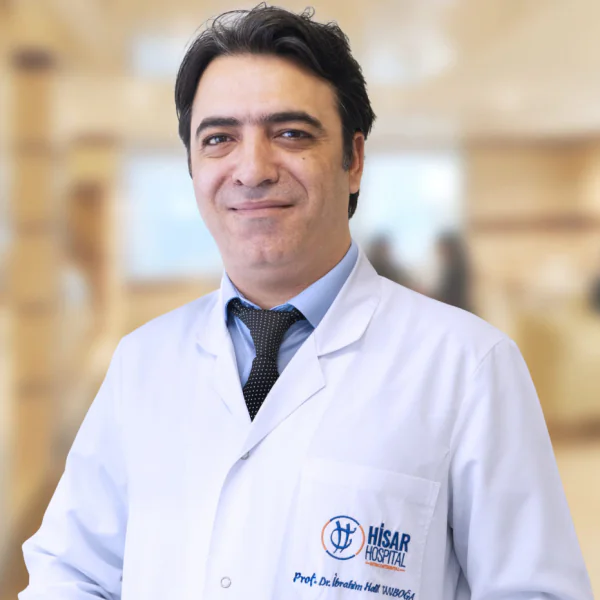
Ibrahim Halil Tanboga, MD
Ibrahim Halil Tanboga, MD, completed his cardiology residency at Kartal Koşuyolu High Specialization Training and Research Hospital. After obtaining the title of…