

Overview
Deep vein thrombosis (DVT) is a serious condition in which a blood clot forms in the deep veins of the legs. The clot usually develops in the veins of the calf or thigh. Rarely, it can also form in the arm, abdomen, or pelvis.
The greatest danger of DVT is that the clot can break loose and travel through the bloodstream to the lungs. This is called pulmonary embolism and is a life-threatening emergency. The broken clot blocks blood vessels in the lung, makes breathing difficult, and places an excessive strain on the heart. For this reason, DVT must be recognized and treated early.
DVT can occur at any age but is more common over the age of 60. Prolonged immobility, surgery, certain illnesses, and inherited predisposition are important factors that increase the risk. In many cases, DVT is a preventable condition.
Symptoms
The symptoms of DVT vary from person to person. In some they are very noticeable, in others they are mild. In roughly half of cases there may be no symptoms at all.
The most common symptoms are:
- Swelling in the leg. This usually appears in one leg. Swelling may be seen in the calf, ankle, or thigh. The swelling develops suddenly or gradually.
- Pain or tenderness in the leg. A cramp-like pain is felt, especially in the calf. It worsens with walking or standing. Sometimes there is tenderness to touch without actual pain.
- Increased warmth. The skin in the area where the clot is located feels warmer than normal.
- Skin discoloration. Redness, bruising, or paleness may be seen in the affected area.
- Feeling of heaviness in the leg. The affected leg feels tired and heavy.
Symptoms usually appear in one leg. It is rare for both legs to be affected at the same time.
When to Call Emergency Services
Call emergency services immediately in the following situations:
- If sudden shortness of breath, chest pain, coughing up blood, rapid pulse, or dizziness develops, it may be a sign of pulmonary embolism. This is a medical emergency.
- If severe swelling, pain, and skin discoloration occur together in the leg and the leg is completely unable to move, urgent evaluation is needed.
Causes and Risk Factors
DVT develops as a result of overactivity of the blood clotting system or slowing of blood flow.
The most important risk factors are:
- Prolonged immobility. Long plane or car journeys, bed rest, and a sedentary lifestyle slow blood flow. When the leg muscles are not working, blood in the veins becomes stagnant and the risk of clotting increases.
- Surgery. Hip, knee, abdominal, or pelvic surgery in particular significantly increases the risk of DVT. Immobility after surgery and damage to blood vessels set the stage for clot formation.
- Injury and fractures. Leg fractures, major injuries, and burns lead to blood vessel damage and increase the risk of clotting.
- Pregnancy and the postpartum period. Increased pressure and hormonal changes during pregnancy raise the risk of DVT. The risk continues for the first six weeks after delivery.
- Birth control pills and hormone therapy. Medications containing estrogen increase the tendency of blood to clot.
- Cancer. Some types of cancer activate the blood clotting system. Pancreatic, lung, ovarian, and blood cancers carry particularly high risk. Chemotherapy is also a factor that increases risk.
- Heart failure. When heart pumping weakens, blood pools in the vessels and clot risk increases.
- Inherited clotting disorders. Some people may be born with a tendency for blood to clot excessively. If there is a family history of DVT or pulmonary embolism at a young age, this possibility should come to mind.
- Obesity. Excess weight puts pressure on the leg veins and negatively affects circulation.
- Smoking. This damages vascular health and makes blood clotting easier.
- Age. Risk increases significantly over the age of 60.
- Family history. If there is a family history of DVT or pulmonary embolism, the risk is higher.
Diagnosis
DVT is diagnosed through medical history, physical examination, and imaging tests.
The diagnostic process typically includes:
- Detailed history and examination. When symptoms began, the presence of risk factors, and family history are assessed. The leg examination looks for swelling, tenderness, and skin discoloration.
- D-dimer blood test. This measures clot breakdown products in the blood. A high level indicates that a clot may be present. A low level largely rules out the possibility of DVT.
- Doppler ultrasound. This is the most commonly used and most reliable test for diagnosing DVT. It images blood flow in the vessels and shows the clot. It is a painless method.
- CT or MRI. These are used if a clot is suspected in the vessels of the abdomen, pelvis, or chest.
Treatment
The main goals of DVT treatment are to prevent the clot from growing, to prevent it from breaking loose and traveling to the lungs, and to prevent new clots from forming.
Treatment options include:
- Blood thinners. These are the foundation of DVT treatment. These medications prevent the clot from growing and prevent new clots from forming. Heparin injections, warfarin pills, and newer blood thinners (such as rivaroxaban and apixaban) are in this group. Although the term "blood thinner" is used, these medications do not actually thin the blood; they slow the clotting process. Treatment usually lasts at least three months; in some cases it may continue longer or for life.
- Compression stockings. These are special elastic stockings worn from below the knee. They apply gentle pressure from the outside of the leg to improve blood flow and reduce swelling. They also reduce the risk of developing chronic leg pain and swelling after DVT.
- Clot-dissolving medications. These are used for very large or life-threatening clots. They rapidly dissolve the clot. They are used in carefully selected patients because of the high risk of bleeding.
- Filter placement. This is a method used in patients who cannot use blood thinners or who develop embolism despite using them. A special filter is placed via catheter into the main vessel in the abdomen. This filter prevents clots that break loose from reaching the lungs.
- Thrombectomy. Rarely, in very large clots, the clot can be removed via catheter or surgically. This procedure is not performed in all patients; it is considered only in selected cases.
Preventing DVT
Many cases of DVT can be prevented with simple measures.
Preventive measures include:
- Do not remain immobile. On long journeys, get up and walk every hour and do leg exercises. While sitting, rotating the ankles and squeezing the calf muscles improves blood flow.
- Drink plenty of water. Becoming dehydrated thickens the blood and increases clot risk. Take in adequate fluid on long journeys and in daily life.
- Wear compression stockings. On long flights or if you are at high risk, use elastic stockings worn below the knee.
- Move early after surgery. Begin walking as soon as your doctor recommends after surgery. Early movement significantly reduces DVT risk.
- Lose weight. If you are overweight, losing weight through healthy eating and exercise reduces risk.
- Stop smoking. Smoking damages vascular health and increases clot risk.
- Use your medications regularly. If your doctor has recommended preventive blood thinners, use them regularly.
Living with DVT
After DVT treatment, most people return to their normal lives. There are some important points to keep in mind, however.
- Follow your medication regimen. The duration and dose of blood thinner treatment is determined by your doctor. Taking the medication regularly is very important. Taking too little or too much can lead to serious problems.
- Have regular check-ups. If you are using warfarin, regular blood tests are needed. Routine testing is not required with newer blood thinners, but periodic monitoring is recommended.
- Watch for signs of bleeding. The risk of bleeding increases when using blood thinners. Let your doctor know if you have gum bleeding, nosebleeds, blood in urine or stool, or unusual bruising.
- Inform before new medication or procedures. Before any medical procedure, dental treatment, or starting a new medication, be sure to mention that you are using blood thinners.
- Stay active. Regular exercise improves circulation and reduces the risk of new clots. Activities such as walking, swimming, and cycling are recommended.
- Watch for chronic leg problems. After DVT, some people may develop long-lasting leg pain, swelling, and a feeling of heaviness. The leg feels tired and standing for long periods becomes difficult. Using compression stockings reduces this risk.
Preparing for Your Appointment
What you can do:
- Note when symptoms started and how they have progressed.
- Mention whether you have recently taken a long journey, had surgery, or sustained an injury.
- List all medications you are taking, including birth control pills.
- Share if there is a family history of DVT, pulmonary embolism, or clotting problems at a young age.
- Write your questions down in advance.
Questions you can ask your doctor:
- Is the diagnosis of DVT certain?
- What is my risk of pulmonary embolism?
- What treatment will I receive and how long will it last?
- What medications should I avoid while using blood thinners?
- Can I exercise?
- What is my risk of developing DVT again?
- How often do I need to be monitored?
Your doctor may ask you:
- When did symptoms begin?
- Have you recently taken a long journey?
- Have you recently had surgery?
- Are you pregnant, using birth control pills, or receiving hormone therapy?
- Is there a family history of DVT or pulmonary embolism?
- Have you had clotting problems before?
- What medications are you taking?
- Deep vein thrombosis: pathogenesis, diagnosis, and medical management (review) https://pubmed.ncbi.nlm.nih.gov/29399531/
- Deep vein thrombosis: a clinical review https://pubmed.ncbi.nlm.nih.gov/22287864/
- Diagnosis and treatment of deep vein thrombosis of the lower extremities (2024) https://pubmed.ncbi.nlm.nih.gov/38641173/
- Pathophysiology of deep vein thrombosis https://pubmed.ncbi.nlm.nih.gov/35471714/
- Deep venous thrombosis (general overview) https://pubmed.ncbi.nlm.nih.gov/29939530/
Specialists

Olcay Ozveren, MD
Olcay Ozveren, MD, is a cardiologist with expertise in interventional cardiology, focusing on advanced diagnostic and therapeutic procedures for cardiovascular…
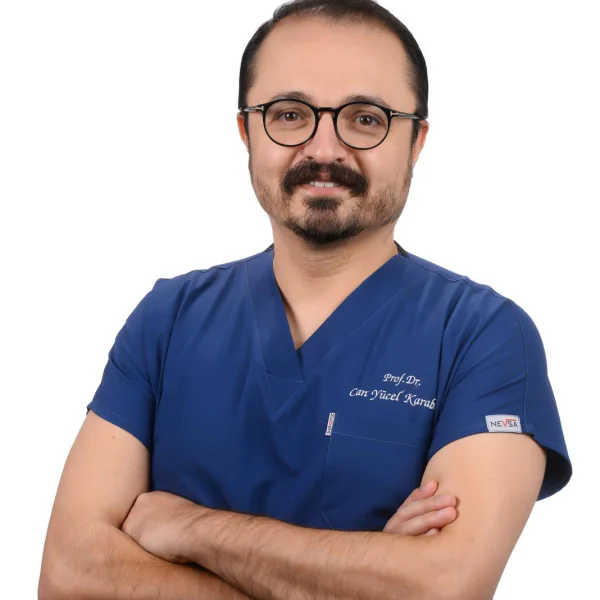
Can Yucel Karabay, MD
Prof. Dr. Can Yucel Karabay is a cardiologist specialized in interventional cardiology, with extensive experience in the diagnosis and treatment of cardiovascular…
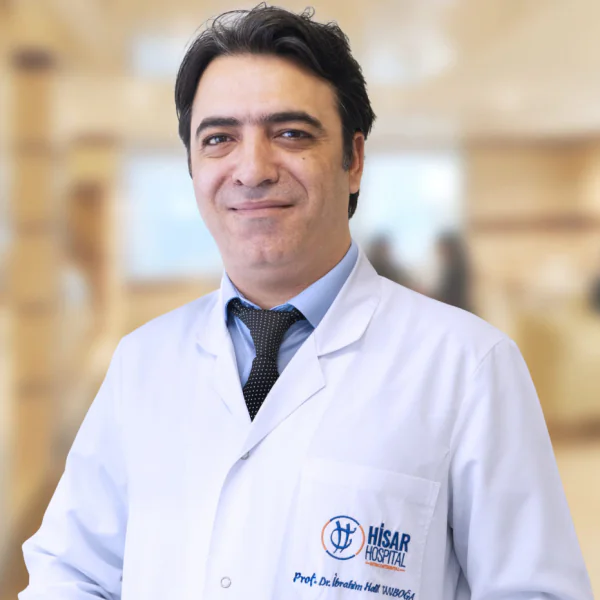
Ibrahim Halil Tanboga, MD
Ibrahim Halil Tanboga, MD, completed his cardiology residency at Kartal Koşuyolu High Specialization Training and Research Hospital. After obtaining the title of…