

Having a heart attack is a turning point. Medication is an essential part of recovery, but long-term outcomes are shaped largely by everyday habits. Stopping smoking, eating well, staying active, managing stress, and taking medications consistently can meaningfully reduce the risk of another heart attack and protect quality of life.
Recovery After a Heart Attack
After a heart attack, the body begins to repair itself, but this process takes time. Damaged heart muscle cells do not regenerate; they are gradually replaced by scar tissue. The heart's adaptation to this new structure can take weeks to months.
In the first few weeks, fatigue, occasional mild chest discomfort, and emotional ups and downs are common experiences. Listening to your body during this period, avoiding overexertion, and following your doctor's guidance all support recovery. Most people are able to return to their normal lives within a few weeks to a few months after a heart attack, though this varies from person to person.
Smoking After a Heart Attack
Stopping smoking after a heart attack is the single most impactful change you can make. Continuing to smoke can roughly double the risk of another heart attack; quitting begins to reduce that risk from the first year onwards.
Steps that can help you stop smoking include the following:
- Nicotine replacement products such as patches, gum, and sprays can make stopping easier
- Prescription medications such as varenicline and bupropion can significantly improve quit rates; speak to your doctor
- Behavioural support programmes and individual counselling can be more effective than medication alone; combining both tends to produce the best results
- Exposure to second-hand smoke also raises risk, so creating a smoke-free environment at home and at work is important
Eating Well After a Heart Attack
A heart-healthy diet can help keep blood pressure and cholesterol under control, support weight management, and slow new plaque formation.
What to Eat
Make vegetables and fruit the foundation of your daily eating; aim for at least five portions a day. Wholegrain bread, oats, bulgur wheat, and pulses provide fibre and contribute to blood sugar and cholesterol management. Try to eat fish at least twice a week; oily fish such as salmon, mackerel, and sardines are rich in omega-3 fatty acids that support heart health. Choose healthy fats such as olive oil, avocado, and unsalted nuts.
What to Reduce
Limit salt intake; staying below 5 grams per day helps with blood pressure control. Packaged foods, ready-made soups, processed meats, and fast food contain the most hidden salt. Cut back on sources of saturated fat such as butter, fatty red meat, full-fat dairy products, and processed meats. Avoid foods containing trans fats, including many packaged cakes and biscuits. Sugary drinks and sweet foods raise blood sugar and contribute to weight gain.
Alcohol
After a heart attack, stopping alcohol entirely or keeping it to a very minimum is recommended. Alcohol can raise blood pressure, interact with heart medications, and damage the heart muscle over time. Your doctor will give you individual guidance based on your specific situation.
Practical Tips
Large meals can temporarily increase the workload on the heart; smaller, more frequent meals can be a better approach. Avoid intense physical activity immediately after eating. Working with a dietitian can help you build a personalised and sustainable eating plan.
Exercise After a Heart Attack
After a heart attack it can feel tempting to stay as still as possible, but the right level of regular physical activity is important for both heart health and overall recovery. Exercise can strengthen the heart muscle, improve blood pressure and cholesterol, support weight management, and have a positive effect on mood.
Cardiac Rehabilitation
The safest way to start exercising after a heart attack is through a cardiac rehabilitation programme. These programmes provide supervised exercise training with heart rate and symptom monitoring, tailored to the individual. Participation in cardiac rehabilitation has been shown to meaningfully reduce both the risk of a further heart attack and overall mortality. Ask your doctor for a referral.
Exercising at Home
If a programme is not available or once it has ended, the following principles can guide home exercise:
- Walking is the safest and most accessible starting point; beginning with short, slow walks and increasing gradually over weeks is the right approach
- The target is at least 150 minutes of moderate-intensity aerobic activity per week, spread across the days
- Moderate intensity means you can hold a conversation but could not sing
- Swimming and cycling can also be suitable exercises for heart health
- Heavy lifting and exercises that involve straining can cause sudden blood pressure spikes; discuss safe limits with your doctor
When to Stop Exercising
Stop immediately and rest if any of the following develop during exercise. If they do not settle quickly, call your doctor or go to the emergency department:
- Chest pain or pressure
- Significant breathlessness
- Dizziness or feeling faint
- A very fast or very irregular heartbeat
- Extreme fatigue
Taking Medications After a Heart Attack
Medications after a heart attack save lives. Taking them consistently and correctly significantly reduces the risk of another event, but their benefits depend entirely on regular use.
- Take your medications at the same time every day. Weekly pill organisers and phone reminders can make this easier. Feeling well is a sign your medications are working, not a reason to stop taking them.
- Never stop dual antiplatelet therapy (aspirin and a second medication) without speaking to your doctor. In patients who have had a stent placed, stopping this combination early can cause a clot to form inside the stent and trigger a very serious heart attack. Always consult your doctor before making any changes.
- Continue statins long-term. Even when cholesterol levels look normal, statins play an ongoing role in keeping plaques stable. If you experience side effects such as muscle aches, contact your doctor; a dose adjustment or change of medication is usually possible.
- Check with your doctor before taking any new medication. Painkillers such as ibuprofen can interact with heart medications and in some cases increase risk. This includes herbal supplements; always discuss anything new with your doctor first.
Managing Stress After a Heart Attack
Chronic stress raises blood pressure, increases clotting tendency, and can encourage unhealthy behaviours. Stress management is an important part of both physical and psychological recovery after a heart attack.
- Ten to fifteen minutes of deep breathing or mindfulness practice each day can produce measurable improvements in heart rate and blood pressure
- Activities such as walking in nature, listening to music, and pursuing hobbies can help reduce stress
- Adequate sleep both strengthens resilience to stress and directly supports heart health
- Recognising chronic sources of stress (work pressure, financial concerns, relationship difficulties) and seeking professional help when needed is an important step
Psychological Support After a Heart Attack
A significant proportion of people who have a heart attack go on to develop depression or anxiety. This is an entirely understandable response. Experiencing a life-threatening event, fear of death, worry about whether life can return to normal, and uncertainty about the future can all make this period emotionally very demanding.
Depression and anxiety affect not just mental wellbeing but heart health too. Research suggests that untreated depression can increase the risk of further heart events and mortality. Psychological support is therefore not something to overlook.
If any of the following persist for more than two weeks, consider speaking to a professional:
- Feeling persistently sad, hopeless, or empty
- No longer finding pleasure in things you previously enjoyed
- Sleep difficulties or sleeping excessively
- Changes in appetite and weight
- Difficulty concentrating
- Excessive anxiety or fear
Cognitive behavioural therapy, cardiac patient support groups, and where appropriate medication are all effective sources of help. Cardiac rehabilitation programmes also typically include a psychological support component.
Sleep After a Heart Attack
Good quality sleep is one of the quieter but powerful supports for heart recovery. During sleep, blood pressure falls, the heart rests, and the body carries out repair processes. Poor or disrupted sleep can increase inflammation and raise the burden on the heart.
Sleep apnoea is an important factor in heart attack risk and is seen quite frequently in people who have had a heart attack. Loud snoring, excessive daytime sleepiness, and waking unrefreshed are signs worth discussing with your doctor. CPAP treatment can improve both sleep quality and heart health; if you suspect you may have sleep apnoea, raise this with your doctor.
Sexual Activity After a Heart Attack
When it is safe to resume sexual activity is a question many heart attack survivors have but find difficult to raise with their doctor. It is an important one to ask, both for safety and quality of life.
Most people who have had an uncomplicated heart attack and have completed cardiac rehabilitation, or who can comfortably manage moderate activities such as climbing stairs, can generally return to sexual activity within four to six weeks. Sexual activity requires a moderate level of physical effort, roughly comparable to climbing a flight of stairs.
If chest pain, significant breathlessness, or a noticeably irregular heartbeat develops during sexual activity, stop and contact your doctor.
Returning to Work and Driving After a Heart Attack
The timing of returning to work depends on the size of the heart attack, the physical demands of the job, and how recovery is progressing. Many people in desk-based roles can return within four to six weeks; more physically demanding jobs may require a longer period. Your doctor will assess your individual situation and advise accordingly.
Rules around driving after a heart attack vary by country. In many countries, a period of not driving is required after a heart attack, and returning to driving is subject to medical clearance. Commercial drivers typically face different and stricter criteria. Discuss this directly with your doctor to understand what applies in your situation.
Weight Management After a Heart Attack
Excess body weight increases the workload on the heart and can worsen risk factors including high blood pressure, diabetes, and high cholesterol. Reaching and maintaining a healthy weight after a heart attack contributes meaningfully to long-term heart health.
Sustainable dietary changes combined with regular exercise produce more lasting results than rapid, restrictive diets. Keeping waist circumference below 94 cm in men and 80 cm in women is a useful target; abdominal fat in particular carries cardiovascular significance.
Managing Risk Factors After a Heart Attack
Alongside lifestyle changes, actively controlling existing risk factors is the most effective way to prevent another heart attack.
- Blood pressure monitoring. The target blood pressure after a heart attack is generally below 130/80 mmHg. Measuring at home regularly and bringing a record of your readings to appointments is valuable.
- Cholesterol monitoring. An LDL cholesterol target below 70 mg/dL is typically set for heart attack patients. Statin therapy plays the central role in achieving this.
- Blood sugar and diabetes management. In patients with diabetes, blood sugar control directly affects heart health. Target HbA1c levels are determined together with your doctor.
- Regular follow-up. More frequent check-up appointments are planned in the first year after a heart attack. ECG, echocardiogram, and blood tests are repeated at defined intervals. Keeping these appointments is important.
Recognising Emergency Symptoms
Having had a heart attack means you carry an elevated risk of further cardiac events. Call emergency services immediately if any of the following develop:
- Chest pain or pressure, particularly if it does not ease with rest
- Pain spreading to the arm, jaw, or back
- Sudden severe breathlessness
- Fainting or loss of consciousness
- A very fast or very irregular heartbeat
Do not wait and hope it passes. In a heart attack, every minute matters.
Specialists

Olcay Ozveren, MD
Olcay Ozveren, MD, is a cardiologist with expertise in interventional cardiology, focusing on advanced diagnostic and therapeutic procedures for cardiovascular…
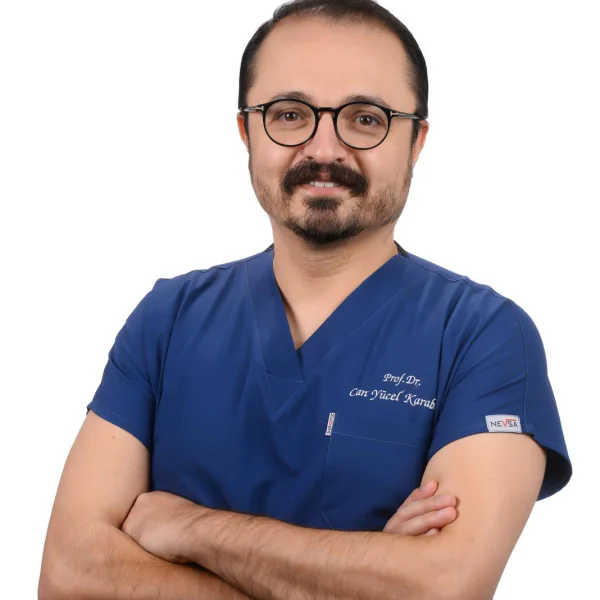
Can Yucel Karabay, MD
Prof. Dr. Can Yucel Karabay is a cardiologist specialized in interventional cardiology, with extensive experience in the diagnosis and treatment of cardiovascular…
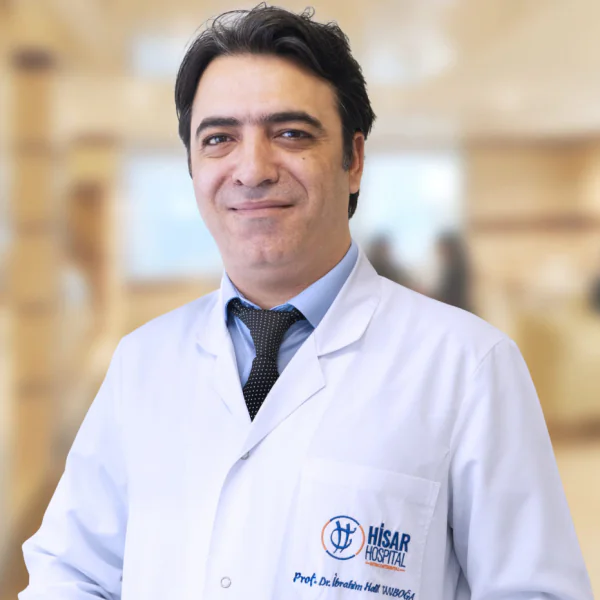
Ibrahim Halil Tanboga, MD
Ibrahim Halil Tanboga, MD, completed his cardiology residency at Kartal Koşuyolu High Specialization Training and Research Hospital. After obtaining the title of…