

Overview
A heart attack occurs when one of the arteries supplying blood to the heart muscle becomes blocked, causing part of the heart muscle to be damaged. The heart is a muscle that works continuously, and it depends on a network of vessels called coronary arteries for a constant supply of blood and oxygen. When one of these arteries is blocked, the affected area of heart muscle can no longer receive blood. The earlier treatment begins, the less damage occurs.
A heart attack is a medical emergency and every minute counts. It remains one of the leading causes of death worldwide, though survival rates have improved significantly in recent decades with advances in treatment.
The symptoms of a heart attack are not always sudden or severe. In some people, particularly women and those with diabetes, they can be much milder or present in different ways. Recognising the possible signs and calling emergency services without delay when in doubt is critically important.
Types of Heart Attack
Heart attacks are classified according to how completely the artery is blocked and which vessel is affected. This distinction directly determines both the urgency and the treatment approach.
- STEMI (ST-elevation myocardial infarction). The most serious type. One of the coronary arteries is completely blocked and no blood is reaching the affected area of heart muscle. Characteristic changes are seen on the ECG. Opening the blocked artery as quickly as possible is essential; every minute is critical.
- NSTEMI (non-ST-elevation myocardial infarction). The artery is not completely blocked but is severely narrowed, and blood flow is significantly reduced. This type does not carry quite the same immediate urgency as STEMI, but it still requires rapid assessment and treatment.
- Silent heart attack. In some people, particularly those with diabetes and women, a heart attack can occur with very mild symptoms or none at all. The person may only notice unusual tiredness, mild breathlessness, or what feels like a digestive complaint. These heart attacks are sometimes discovered later during routine tests.
Symptoms
The symptoms of a heart attack can vary considerably from person to person. Some develop suddenly and severely, while others come on gradually and worsen over hours.
The main symptoms of a heart attack include the following:
- Chest pain, pressure, or tightness. The most commonly recognised symptom. A feeling of pressure, squeezing, or heaviness in the centre or left side of the chest may develop. It can last more than a few minutes or come and go. Some people describe it not as pain but as a burning or fullness sensation.
- Pain spreading to the arm, jaw, neck, or back. The discomfort may spread to the left arm or shoulder, the jaw, the neck, or the back. Radiation to the left arm in particular is strongly associated with a heart attack.
- Shortness of breath. This may occur alongside chest pain or on its own without any chest pain. In women especially, breathlessness can be a prominent feature.
- Cold sweating. Sudden cold sweating, particularly when it occurs alongside chest discomfort, is an important warning sign.
- Nausea and vomiting. These symptoms can be more prominent in women and in heart attacks affecting the lower part of the heart, and are sometimes mistaken for a digestive problem.
- Dizziness or feeling faint. When the heart cannot pump enough blood, the supply to the brain can fall, causing dizziness or a feeling of being about to faint.
- Extreme fatigue and weakness. In women particularly, unusual fatigue can precede a heart attack by days or even weeks. Profound exhaustion may also be felt in the immediate lead-up.
Symptoms can be milder or different in the following groups:
- In women, chest pain may be less prominent, with nausea, back pain, jaw pain, and fatigue more likely to feature.
- In people with diabetes, nerve damage can reduce pain sensation, and a heart attack can sometimes occur without any pain at all.
- In older people, symptoms may be more subtle and present only as tiredness or breathlessness rather than chest pain.
When to Call Emergency Services
In a suspected heart attack, every minute matters. Call emergency services immediately if you or someone nearby experiences any of the following:
- Chest pain, pressure, or tightness lasting more than a few minutes
- Chest discomfort spreading to the arm, jaw, neck, or back
- Chest pain accompanied by cold sweating, nausea, or dizziness
- Sudden unexplained breathlessness
- Fainting or loss of consciousness
Do not drive yourself to the hospital. An ambulance crew can begin assessment and treatment on the way and alert the hospital in advance, significantly reducing the time to definitive treatment.
If you are not allergic to aspirin and have not been told by a doctor to avoid it, chewing a 300 mg aspirin while waiting for the ambulance may be helpful. Calling for help always comes first.
Causes
The majority of heart attacks are the result of atherosclerosis, a process that develops gradually in the coronary arteries over many years.
- Atherosclerosis and plaque formation. Over time, deposits of cholesterol and fatty material build up inside the walls of the coronary arteries, forming structures called plaques. These plaques narrow the arteries and restrict blood flow. When a plaque cracks or ruptures, a blood clot forms rapidly on its surface and can block the artery completely. This sudden blockage is a heart attack.
- Coronary artery spasm. In rare cases, a coronary artery can go into sudden spasm without significant blockage, temporarily cutting off blood flow. This can occur in younger people who smoke or use recreational drugs.
- Spontaneous coronary artery dissection (SCAD). In this rare condition, seen particularly in younger women, the inner wall of a coronary artery tears spontaneously and disrupts blood flow. It can be a cause of heart attack in younger women without classic risk factors.
Risk Factors
Some risk factors for heart attack cannot be changed, but many can be reduced or controlled through lifestyle changes and treatment.
Risk factors that cannot be changed include the following:
- Older age. The risk of heart attack rises significantly after the age of 45 in men and 55 in women.
- Male sex. Men tend to have heart attacks at a younger age than women. In women, the risk rises rapidly after menopause.
- Family history. Having a close family member who had heart disease or a heart attack before the age of 55 increases personal risk.
Risk factors that can be changed or managed include the following:
- Smoking. Tobacco directly damages the coronary arteries, accelerates plaque formation, and increases the tendency for blood to clot. It is one of the most important preventable risk factors for heart attack.
- High blood pressure. Uncontrolled hypertension weakens the walls of the coronary arteries and makes plaque formation more likely.
- High cholesterol. Elevated LDL cholesterol accelerates plaque build-up. Low HDL cholesterol can also increase risk.
- Diabetes. High blood sugar damages the coronary arteries and can increase heart attack risk two to four times.
- Obesity. Excess body weight places direct strain on the heart and increases the likelihood of other risk factors including high blood pressure, diabetes, and high cholesterol.
- Physical inactivity. A sedentary lifestyle negatively affects multiple cardiovascular risk factors.
- Chronic stress and depression. Chronic stress can raise blood pressure and increase clotting tendency. Depression is also thought to be associated with an increased risk of heart events.
- Excessive alcohol consumption. Regular heavy drinking can raise blood pressure and damage the heart muscle over time.
- Sleep apnoea. Untreated sleep apnoea causes repeated oxygen drops during the night and places additional strain on the heart.
Complications
Complications following a heart attack are more likely when treatment is delayed or when a large area of heart muscle has been affected.
- Heart failure. The damage left by a heart attack can reduce the heart's pumping capacity. The larger the affected area, the greater the risk of heart failure developing. Breathlessness, fatigue, and leg swelling can be among the signs.
- Heart rhythm disturbances. After a heart attack, the electrical system of the heart can be disrupted and abnormal rhythms may develop. Some are temporary and mild; others can be life-threatening.
- Cardiogenic shock. In a very large heart attack, the heart may be unable to pump enough blood to meet the body's needs. Blood pressure can drop critically and organs may not receive enough blood. This is a very serious situation requiring urgent intensive care.
- Rupture of the heart wall. Rarely, the damage caused by a heart attack can lead to a tear in the weakened heart muscle. This is a very serious and life-threatening complication.
- Blood clots and stroke. After a heart attack, clots can form inside the heart and may travel to the brain, causing a stroke.
- Depression and anxiety. A significant proportion of people who have a heart attack go on to develop depression or anxiety. These conditions can affect treatment adherence and long-term recovery, which is why psychological support is an important part of post-heart-attack care.
- Fourth Universal Definition of Myocardial Infarction (2018) https://pubmed.ncbi.nlm.nih.gov/30153967/
- 2023 ESC Guidelines for the management of acute coronary syndromes https://pubmed.ncbi.nlm.nih.gov/37622654/
- Pathophysiology of Myocardial Infarction https://pubmed.ncbi.nlm.nih.gov/26426469/
- Management of acute coronary syndrome https://pubmed.ncbi.nlm.nih.gov/38032511/
- Review of Current Management of Myocardial Infarction https://pubmed.ncbi.nlm.nih.gov/40944000/
Specialists

Olcay Ozveren, MD
Olcay Ozveren, MD, is a cardiologist with expertise in interventional cardiology, focusing on advanced diagnostic and therapeutic procedures for cardiovascular…
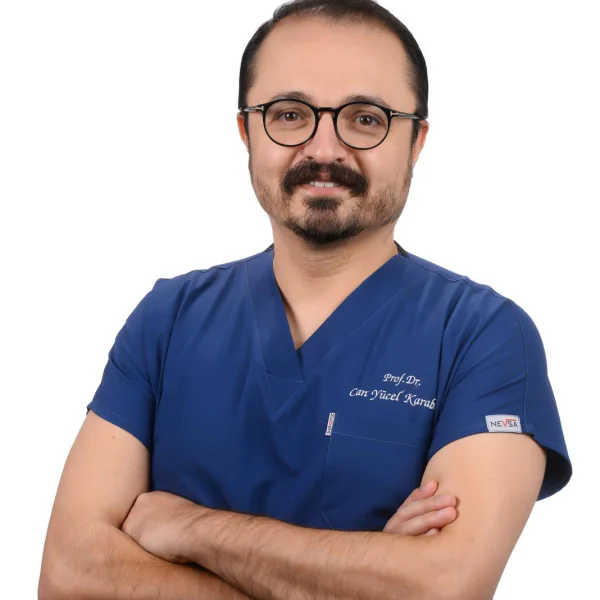
Can Yucel Karabay, MD
Prof. Dr. Can Yucel Karabay is a cardiologist specialized in interventional cardiology, with extensive experience in the diagnosis and treatment of cardiovascular…
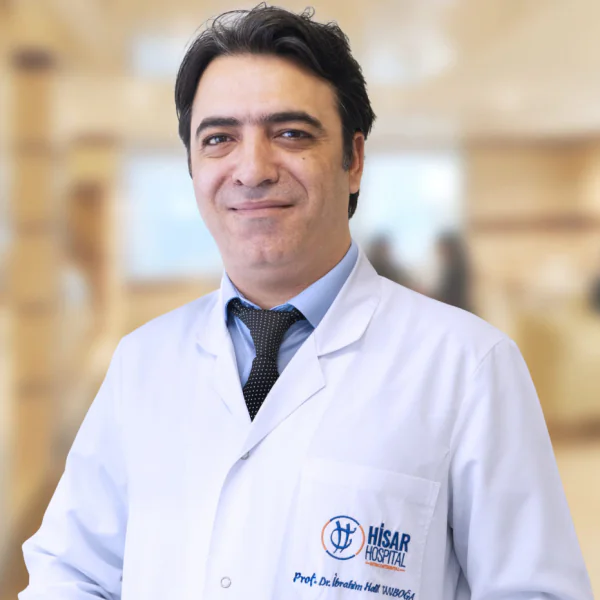
Ibrahim Halil Tanboga, MD
Ibrahim Halil Tanboga, MD, completed his cardiology residency at Kartal Koşuyolu High Specialization Training and Research Hospital. After obtaining the title of…