

A heart attack is diagnosed quickly through an assessment of symptoms, an ECG, and blood tests. The primary goal of treatment is to open the blocked artery as quickly as possible, followed by medication and cardiac rehabilitation. Early diagnosis and the right treatment minimise heart muscle damage, reduce the risk of complications, and have a decisive impact on long-term quality of life.
Diagnosis
When someone arrives at hospital with a suspected heart attack, the diagnostic process moves very quickly. Several tests can be carried out simultaneously within the first few minutes.
Methods used to diagnose a heart attack include the following:
- ECG (electrocardiogram). The first and fastest step in diagnosing a heart attack. It records the heart's electrical activity; in STEMI, a characteristic pattern called ST elevation is seen, and this finding triggers the decision to open the blocked artery immediately. An ECG takes only a few minutes and results can be assessed straight away.
- Troponin test. When the heart muscle is damaged, a protein called troponin is released into the bloodstream. A rise in troponin levels is the most reliable blood marker of a heart attack. It is measured on arrival and again a few hours later to track the change. High-sensitivity troponin tests can now detect heart damage at a very early stage.
- Other blood tests. Other markers of heart damage such as CK-MB and myoglobin may also be assessed. Kidney function, blood sugar, cholesterol, and a full blood count are important for shaping the treatment plan.
- Chest X-ray. Shows the size of the heart and any fluid that may have accumulated in the lungs; helpful for assessing overall condition.
- Echocardiogram (heart ultrasound). Evaluates how well the heart is contracting, the movement of the heart walls, and valve function. It can identify which area has been affected and how extensive the damage is. It can be performed rapidly in emergency conditions.
- Coronary angiography. A thin catheter is passed through the groin or wrist and contrast dye is injected into the coronary arteries, directly visualising the location and extent of the blockage. In STEMI, this procedure is performed for both diagnosis and treatment in the same session; once the blocked vessel is identified, a stent can be placed immediately.
Treatment
The core goals of heart attack treatment are to open the blocked artery as quickly as possible, prevent further damage to the heart muscle, and reduce the risk of a future heart attack. Treatment can be considered in three stages: emergency intervention, medication, and long-term protective therapy.
Emergency Treatment
- Angioplasty and stent (PCI - percutaneous coronary intervention). This is the standard and most effective treatment for STEMI today. A thin balloon catheter is guided through the groin or wrist to the blocked area of the artery, the balloon is inflated to open the vessel, and a small metal scaffold called a stent is placed to keep it open. The goal is to keep the time from hospital arrival to stent placement (known as "door-to-balloon time") under 90 minutes. When this procedure is successful, blood flow to the heart muscle is restored.
- Clot-dissolving medication (thrombolysis). When angioplasty is not immediately available or when reaching a hospital would take too long, drugs that dissolve the clot in the artery can be used. This approach may be less effective than angioplasty but is a life-saving option when primary PCI cannot be performed promptly.
- Bypass surgery (CABG - coronary artery bypass grafting). When blockages affect multiple vessels or are in locations not suited to stenting, or when angioplasty has not been successful, bypass surgery may be needed. In this procedure, a vessel taken from elsewhere in the body is used to create a new route for blood flow around the blocked coronary artery. It is usually a planned rather than emergency procedure, though it can be performed urgently in some situations.
Medication
- Aspirin. One of the cornerstones of heart attack treatment, aspirin reduces the tendency of blood to clot. It can be started before reaching hospital or in the ambulance, and lifelong use is required.
- P2Y12 inhibitors (dual antiplatelet therapy). Drugs such as clopidogrel, ticagrelor, or prasugrel are used alongside aspirin. In patients who have had a stent placed, continuing this dual therapy for a defined period is important to prevent clot formation on the stent. The duration depends on the type of stent and individual patient factors.
- Beta-blockers. Reduce heart rate and blood pressure, lowering the workload on the heart. They help prevent rhythm disturbances and have a protective effect on the heart muscle over the long term.
- ACE inhibitors and ARBs. Reduce the strain on the heart and lower the risk of heart failure developing. Their long-term protective effects are particularly important in patients with significant heart muscle damage.
- Statins (cholesterol-lowering medication). High-dose statin therapy is recommended for everyone who has had a heart attack. Statins do more than lower cholesterol, they stabilise plaques and reduce the risk of a further heart attack. Long-term, usually lifelong, use is required.
- Anticoagulants. Drugs such as heparin are used during the hospital stay to prevent further clot formation. Some patients may need to continue anticoagulant therapy after discharge.
- Nitroglycerin. Widens the coronary arteries, increases blood flow to the heart, and relieves chest pain. Used in emergency treatment and during episodes of chest pain.
Cardiac Rehabilitation
For patients discharged after a heart attack, cardiac rehabilitation programmes are among the most important components of long-term recovery. These programmes include supervised exercise training, nutritional guidance, risk factor management, and psychological support. Participation in cardiac rehabilitation has been shown to meaningfully reduce both the risk of a further heart attack and overall mortality. Your doctor may refer you to such a programme after discharge.
Preparing for Your Appointment
Coming prepared to follow-up appointments after a heart attack supports both the treatment process and long-term recovery.
What you can do:
- List all your medications, their doses, and how long you have been taking them
- Note any symptoms you have experienced since discharge (chest pain, breathlessness, palpitations, leg swelling)
- Bring any blood pressure and pulse readings you have taken at home
- Mention any side effects you have noticed from your medications
- Write your questions down in advance
Questions you may wish to ask your doctor:
- How much damage was done to my heart muscle?
- How long do I need to take my medications after the stent or bypass?
- Which symptoms should prompt me to go to the emergency department?
- Can I join a cardiac rehabilitation programme?
- When can I return to work, driving, and sexual activity?
- What should my cholesterol and blood pressure targets be?
- How often do I need follow-up appointments?
Questions your doctor may ask:
- Are you taking your medications regularly?
- Have you had any chest pain or breathlessness?
- Are you managing your daily activities without difficulty?
- Have you stopped smoking?
- Have you made changes to your diet and exercise habits?
- How is your sleep, and are you experiencing depression or anxiety?
Specialists

Olcay Ozveren, MD
Olcay Ozveren, MD, is a cardiologist with expertise in interventional cardiology, focusing on advanced diagnostic and therapeutic procedures for cardiovascular…
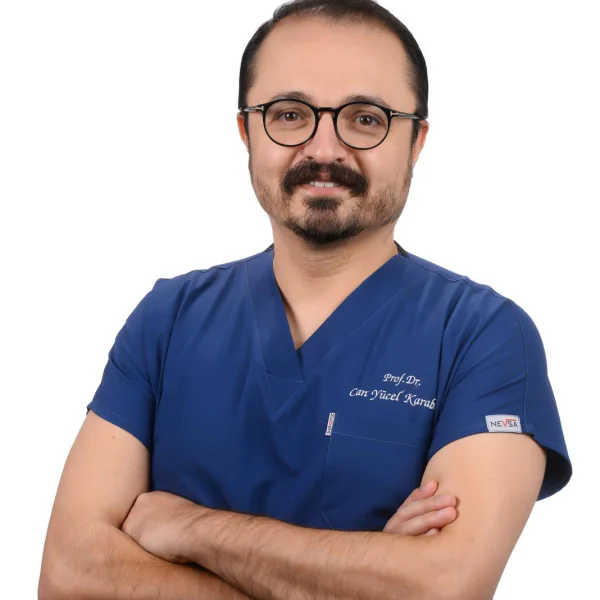
Can Yucel Karabay, MD
Prof. Dr. Can Yucel Karabay is a cardiologist specialized in interventional cardiology, with extensive experience in the diagnosis and treatment of cardiovascular…
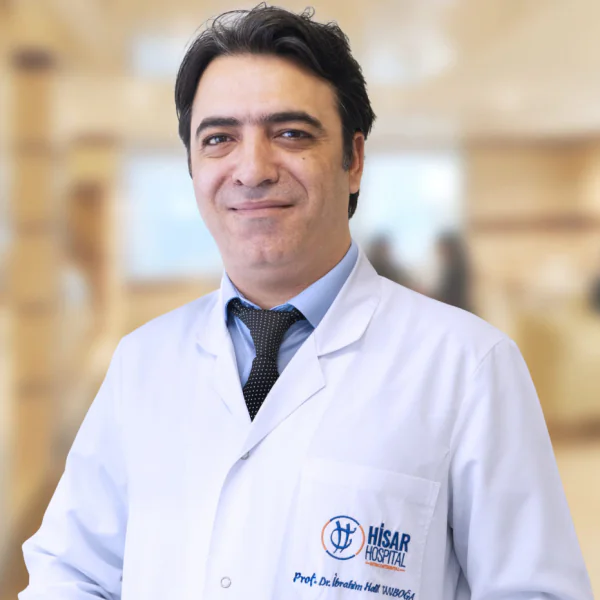
Ibrahim Halil Tanboga, MD
Ibrahim Halil Tanboga, MD, completed his cardiology residency at Kartal Koşuyolu High Specialization Training and Research Hospital. After obtaining the title of…