

Overview
Spontaneous coronary artery dissection (SCAD) is a rare but serious condition in which the inner wall of one of the coronary arteries tears on its own, without an obvious cause such as injury or medical procedure. Blood seeps into the space between the layers of the artery wall, and the resulting build-up compresses or blocks the vessel from within. This can cause a heart attack or a life-threatening cardiac arrest.
What sets SCAD apart from other causes of heart attack is that it is not related to atherosclerosis, the process of plaque build-up in the arteries associated with classic heart disease. It can occur in relatively young, otherwise healthy people who have none of the traditional cardiovascular risk factors. SCAD may account for around one to two percent of all heart attacks, but this proportion is considerably higher among women under 50 who experience a heart attack. Its true frequency is likely greater than recognised, as it can be missed or misdiagnosed when awareness is low.
The exact reasons why SCAD develops are still not fully understood. Hormonal factors, connective tissue weakness, intense physical exertion, and severe emotional stress have all been identified as potential contributors. A strong association with pregnancy and the postpartum period has also been established.
The diagnosis and management of SCAD can differ significantly from that of classic heart attack. For this reason, people who have had SCAD benefit from follow-up at experienced centres with a good understanding of this condition's distinct characteristics.
Symptoms
The symptoms of SCAD closely resemble those of a classic heart attack. Their sudden onset and intensity typically require emergency attention.
The main possible symptoms of SCAD include the following:
- Chest pain. The most frequently reported symptom. It typically begins suddenly and may feel like squeezing, pressure, or burning in the chest. The pain can spread to the left arm, jaw, neck, or back, and does not usually ease with rest.
- Shortness of breath. May accompany chest pain or occur on its own.
- Palpitations and irregular heartbeat. Involvement of the coronary artery can disrupt the heart's electrical system and create the conditions for various rhythm disturbances.
- Sweating, nausea, and dizziness. When these symptoms appear suddenly alongside chest pain they point toward a situation requiring emergency help.
- Fainting or loss of consciousness. In some people, particularly when a major artery is affected, fainting or loss of consciousness can occur.
- Sudden cardiac arrest. In rare cases, sudden cardiac arrest can be the first presentation of SCAD. This is a life-threatening emergency requiring immediate intervention.
SCAD symptoms tend to start suddenly and escalate quickly. The person may be doing intense exercise, lifting something heavy, or experiencing severe emotional stress at the time. In some cases, however, symptoms can begin while at rest.
When to See a Doctor
The symptoms of SCAD can represent a medical emergency. Acting without delay when these symptoms occur is critically important.
Call emergency services immediately if:
- You develop sudden chest pain, particularly if it spreads to the arm, jaw, or back
- Chest pain is accompanied by sweating, nausea, or breathlessness
- You faint or feel you are about to faint
- You suddenly develop a very fast or very irregular heartbeat
If you have previously had SCAD, contact your doctor or go to the emergency department if:
- Chest pain returns
- Breathlessness is increasing during exertion or at rest
- Palpitations are becoming more frequent or lasting longer
Causes
The precise cause of SCAD has not yet been fully established. Research suggests that several factors may need to come together for it to develop.
- Fibromuscular dysplasia (FMD). A significant proportion of people who have had SCAD are found to have fibromuscular dysplasia, particularly in those who experience recurrent episodes. FMD is a non-inflammatory condition in which abnormal cell growth occurs in the walls of medium and large arteries. It weakens the artery wall and can create vulnerability to dissection. It can affect various arteries including the renal arteries and the vessels in the neck.
- Hormonal factors. The fact that the large majority of SCAD cases occur in women, and the strong association with pregnancy and the postpartum period, point toward a role for hormonal changes in the integrity of the artery wall. Oestrogen and progesterone may affect arterial wall structure and create susceptibility to dissection.
- Pregnancy and the postpartum period. SCAD is thought to be one of the most important cardiac complications associated with pregnancy. The first few weeks after delivery may be a particularly high-risk period. Hormonal changes, increased blood volume, and the physical demands of labour can combine to weaken the artery wall.
- Intense physical exertion. A sudden rise in blood pressure during heavy lifting, running, or vigorous exercise can place mechanical stress on the artery wall and trigger a dissection.
- Severe emotional stress. Acute intense stress such as bereavement, serious conflict, or sudden intense fear has been reported to trigger SCAD in some cases. The hormonal and cardiovascular response to stress may play a role in this mechanism.
- Connective tissue disorders. Inherited conditions affecting connective tissue such as Marfan syndrome and Ehlers-Danlos syndrome can cause structural weakness in artery walls and may increase the risk of SCAD.
- Systemic inflammatory conditions. Conditions such as lupus, Crohn's disease, and ulcerative colitis have been reported in association with SCAD, though the mechanism of this relationship is not yet fully understood.
Risk Factors
The risk factors for SCAD differ considerably from those for classic heart attack.
- Female sex. More than 80 percent of SCAD cases occur in women. This is one of the most defining demographic features that distinguishes SCAD from other causes of heart attack.
- Middle age. SCAD most commonly affects women in their 40s and 50s, though it can also occur in younger women. When a young woman without traditional cardiac risk factors presents with a sudden heart attack, SCAD should be strongly considered.
- Pregnancy and the postpartum period. Pregnancy-associated SCAD cases most often occur within the first month after delivery, though they can also occur in the later stages of pregnancy.
- Fibromuscular dysplasia. Frequently found on screening after SCAD, FMD is important both as a primary risk factor and as a predictor of recurrence risk.
- Intense exercise. Particularly sudden or unexpectedly high-intensity exercise can be a trigger for SCAD.
- Connective tissue disorders. Marfan syndrome, Ehlers-Danlos syndrome, and similar conditions can weaken artery walls and increase risk.
- Psychological stress. Both chronic and acute severe stress may play a triggering role in SCAD development.
- Family history. Whether a family history of SCAD or FMD increases risk is being investigated; some studies suggest a possible genetic predisposition.
Diagnosis
Diagnosing SCAD can be challenging. Because the symptoms closely resemble those of classic heart attack, and the absence of traditional risk factors can sometimes delay consideration of the diagnosis, early awareness is important.
Methods used to diagnose SCAD include the following:
- ECG. May show changes consistent with a heart attack, but a normal ECG does not rule out SCAD. The ECG findings can resemble those of a classic heart attack.
- Troponin test. An elevated troponin level indicating heart muscle damage can be seen in SCAD. This value both supports the diagnosis and gives an indication of the extent of damage.
- Coronary angiography. The primary method for diagnosing SCAD. Contrast dye injected into the coronary arteries produces images that can reveal the characteristic appearance of an arterial wall tear. In SCAD, the typical athersclerotic plaque of classic heart attack is not seen; instead findings may include a false lumen within the artery, the appearance of the vessel being divided into multiple channels, or external compression of the vessel.
- Intracoronary imaging (OCT and IVUS). Optical coherence tomography (OCT) and intravascular ultrasound (IVUS) use small devices placed inside the vessel to produce very detailed images of the artery wall. In cases where angiography alone does not give a definitive diagnosis, these methods can directly visualise the tear and the blood collection within the vessel wall, confirming the SCAD diagnosis. OCT in particular is a valuable addition to angiography in diagnosing SCAD.
- Echocardiogram. Assesses the heart's pumping strength and wall movement, helping identify which region has been affected and the extent of any damage.
- Coronary CT angiography. Can be used in some cases to assess coronary artery anatomy in a less invasive way.
- FMD screening. After a SCAD diagnosis, imaging of the renal arteries, carotid arteries, and other vessels to screen for fibromuscular dysplasia is recommended. This screening is important both for understanding the underlying cause of SCAD and for identifying other affected vessels.
Treatment
The treatment of SCAD may require a different approach from that used for classic heart attack. Because SCAD does not involve an atherosclerotic plaque or blood clot but rather a tear in the vessel wall itself, treatment decisions need to be made carefully.
- Conservative (medical) treatment. In the majority of SCAD cases, particularly when the artery is not completely blocked and the heart muscle has not sustained severe damage, a conservative approach is preferred. The artery has a considerable capacity to heal itself, and in many cases it returns to normal within weeks to months without intervention. During this period, complete rest, pain management, and medications to protect the heart muscle are used.
- Aspirin and antiplatelet therapy. Aspirin is started to prevent clot formation. The addition of a second antiplatelet agent such as clopidogrel may be considered in some cases, though this decision in SCAD is based on individual assessment.
- Beta-blockers. Reduce heart rate and blood pressure, lowering the mechanical stress on the heart and the vessel wall. They may have an important role both in SCAD treatment and in reducing the risk of recurrence. They are thought to support healing by reducing the haemodynamic forces acting on the damaged vessel.
- Angioplasty and stenting (PCI). PCI is not usually the first choice in SCAD because these procedures can further tear the already damaged vessel wall and extend the dissection. However, when the artery is completely blocked, when the heart muscle is at significant risk, or when the patient is haemodynamically unstable, PCI may become necessary. These decisions should be carefully assessed by an experienced team.
- Bypass surgery. In certain cases where PCI is not possible and the heart muscle is at risk, bypass surgery may be considered. This is an uncommon scenario in SCAD management.
- Psychological support. A significant proportion of people who have SCAD develop depression, anxiety, or post-traumatic stress disorder. The experience of an unexpected heart attack in someone who considered themselves young and healthy can have a profound psychological impact. Psychological support is an integral part of SCAD management.
- Management of FMD and underlying conditions. When fibromuscular dysplasia or a connective tissue disorder is identified, appropriate management of these conditions may help reduce the risk of SCAD recurrence.
Complications
SCAD can potentially lead to serious complications.
- Heart attack. The most common complication of SCAD. Arterial blockage caused by the dissection can cause damage to part of the heart muscle.
- Heart failure. When significant heart muscle damage has occurred, the heart's pumping capacity may be reduced and heart failure can develop.
- Rhythm disturbances. Ischemia and heart muscle damage can create conditions for various arrhythmias, some of which can be life-threatening.
- Neurological damage in survivors of cardiac arrest. In cases accompanied by sudden cardiac arrest, if the brain has been deprived of oxygen, there is a risk of neurological damage.
- Recurrence. The risk of recurrence is one of the most defining characteristics of SCAD. Some studies suggest that recurrence rates of between ten and thirty percent are possible after a first SCAD event. This makes long-term follow-up and risk factor management particularly important.
Living with SCAD
A SCAD diagnosis can be deeply unsettling, particularly for someone who considered themselves young and healthy. With the right information, treatment, and support, however, many people go on to achieve a good quality of life after this experience.
Psychological Recovery
The psychological challenges after SCAD should not be underestimated. The shock of an unexpected heart attack, the question of "why did this happen to me?", the fear of recurrence, and anxiety about returning to normal activities are all entirely understandable responses. Speaking with a psychologist or psychiatrist and connecting with SCAD patient support groups can be genuinely helpful in navigating this period.
Physical Activity and Exercise
Returning to physical activity after SCAD requires careful planning. Since intense exercise is both a known trigger for SCAD and a potential factor in recurrence, it is important to establish safe activity limits together with your doctor. Cardiac rehabilitation programmes can provide exercise guidance tailored to SCAD patients. Heavy lifting and exercises involving sustained straining are generally not recommended.
Pregnancy and Hormonal Contraception
A detailed discussion with your doctor about future pregnancy planning and hormonal contraceptive use is needed after SCAD. Because SCAD can be associated with pregnancy, subsequent pregnancies may carry a higher risk, though this varies from person to person. Every decision should be made based on an individual assessment of circumstances.
Avoiding Triggers
Intense physical exertion, heavy lifting, and acute severe stress are among the factors that can trigger SCAD. Avoiding these factors or developing strategies to manage them can contribute to reducing the risk of recurrence.
Regular Follow-up
SCAD requires long-term cardiology follow-up. Regular ECG, echocardiogram, and where appropriate imaging tests are important both for monitoring recovery and for detecting any early signs of possible recurrence.
Preparing for Your Appointment
Coming prepared to your appointment after a SCAD diagnosis or suspicion can help make both the diagnostic and follow-up process more effective.
What you can do:
- Describe in detail how your symptoms began and the circumstances in which they developed
- Mention whether you are pregnant or have recently given birth
- Mention any family history of fibromuscular dysplasia, SCAD, or early heart disease
- Mention any connective tissue disorder diagnosis
- List all current medications
- Do not hesitate to share any psychological difficulties you are experiencing
- Write your questions down in advance
Questions you may wish to ask your doctor:
- Which artery was affected and how much heart muscle damage occurred?
- Should I be screened for fibromuscular dysplasia?
- What is my risk of recurrence?
- Which exercises are safe and which carry risk?
- If I am considering pregnancy or hormonal contraception, what do I need to know?
- Where can I access psychological support?
- How often do I need follow-up appointments?
Questions your doctor may ask:
- When and how did your symptoms begin?
- Were you doing intense exercise or experiencing severe stress when symptoms started?
- Have you recently given birth or are you pregnant?
- Is there a family history of connective tissue disorders, FMD, or early cardiovascular disease?
- What medications are you currently taking?
- How are you feeling emotionally?. Are you experiencing anxiety or depression?
- Spontaneous Coronary Artery Dissection: Current State of the Science https://pubmed.ncbi.nlm.nih.gov/29472380/
- European Society of Cardiology, acute cardiovascular care association, SCAD study group: a position paper on spontaneous coronary artery dissection https://pubmed.ncbi.nlm.nih.gov/29481627/
- Spontaneous coronary artery dissection in women https://pubmed.ncbi.nlm.nih.gov/29493808/
- Spontaneous Coronary-Artery Dissection https://pubmed.ncbi.nlm.nih.gov/33296561/
- Spontaneous Coronary Artery Dissection: Mechanisms, Diagnosis, and Management https://pubmed.ncbi.nlm.nih.gov/32256714/
- Early Natural History of Spontaneous Coronary Artery Dissection https://pubmed.ncbi.nlm.nih.gov/30354594/
Specialists
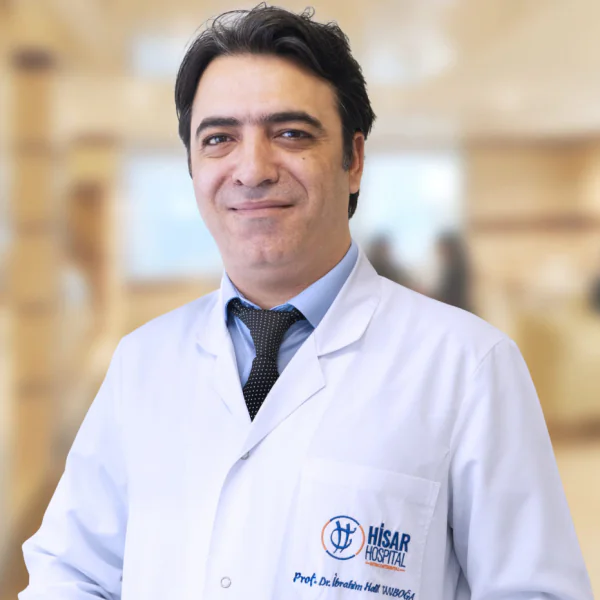
Ibrahim Halil Tanboga, MD
Ibrahim Halil Tanboga, MD, completed his cardiology residency at Kartal Koşuyolu High Specialization Training and Research Hospital. After obtaining the title of…
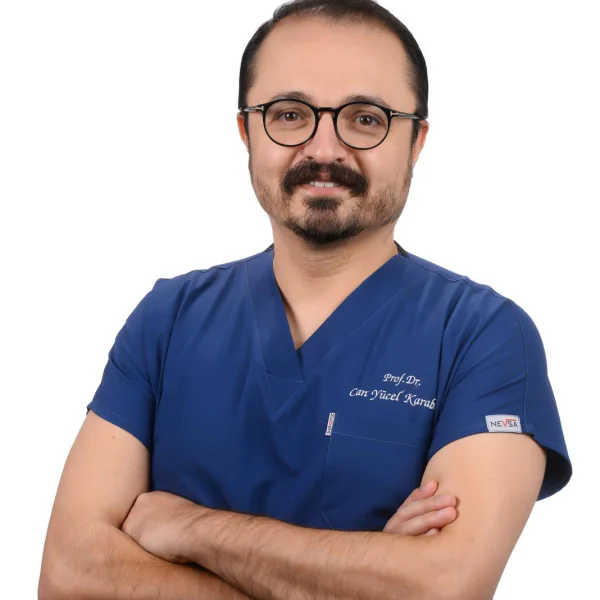
Can Yucel Karabay, MD
Prof. Dr. Can Yucel Karabay is a cardiologist specialized in interventional cardiology, with extensive experience in the diagnosis and treatment of cardiovascular…

Olcay Ozveren, MD
Olcay Ozveren, MD, is a cardiologist with expertise in interventional cardiology, focusing on advanced diagnostic and therapeutic procedures for cardiovascular…